

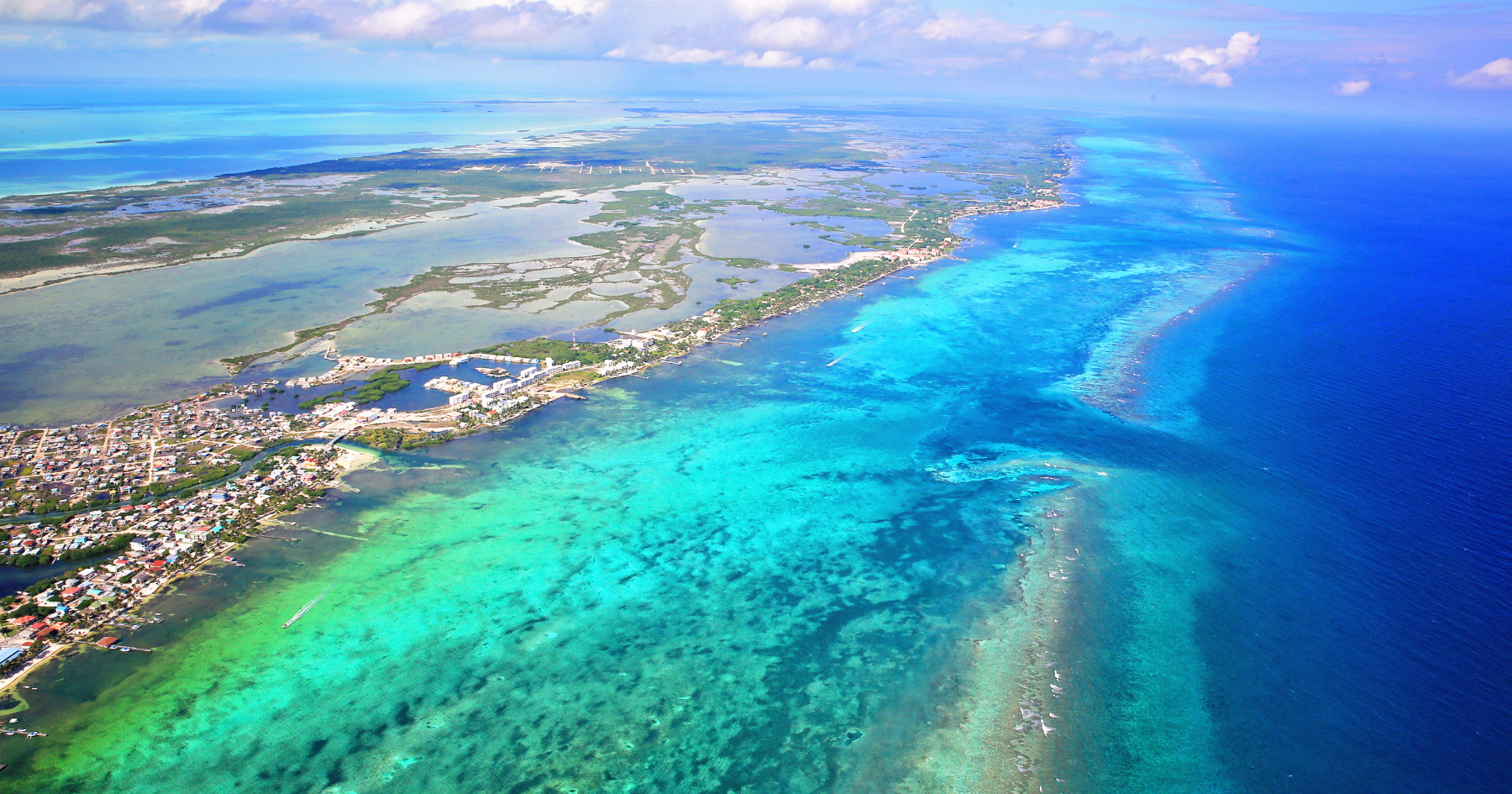
The Caribbean dream is a powerful one. It brings to mind images of beautiful beaches and a relaxed lifestyle. Many people around the world look to this region for a second home. They want a peaceful escape or a stable base in a beautiful setting. This has led to a surge in interest in Caribbean residency programs.
However, this popularity has also created a lot of confusion. Many potential applicants have dangerous misconceptions. These myths can lead to costly mistakes and failed expectations. It is vital to separate fact from fiction. This guide will debunk the five biggest myths about Caribbean residency. We will give you the clear, factual information you need to make a wise decision.
Myth 1: Caribbean Residency is the Same as Citizenship
This is the most important myth to debunk right away. People often use the terms “residency” and “citizenship” interchangeably. In the world of immigration, they are completely different. Confusing them is the biggest mistake you can make.
Fact: Residency gives you the legal right to live in a country. You receive a residence permit or card. This allows you to stay for a long period, often for years at a time. Citizenship, on the other hand, means you are a full national of that country. You are granted a passport. You have the right to vote. You have the same rights as someone born there. Residency is about living in a place. Citizenship is about belonging to a nation.

Myth 2: All Caribbean Residency Programs Lead to a Passport
Many people believe that getting residency is just the first step on a quick path to a second passport. They assume that after a year or two of residency, they can easily apply for citizenship. This is generally not the case for these types of programs.
Fact: Most pure Caribbean residency programs do not offer a fast track to citizenship. While you can eventually apply for citizenship through naturalization, it is a very long process. It requires you to be a continuous physical resident of the island for many years. This can be five, ten, or even more years. This is very different from the separate Citizenship by Investment (CBI) programs. CBI programs provide a direct path to a passport in exchange for an investment. They are a completely different category of immigration.
Myth 3: You Need to Invest Millions of Dollars
The term “investment” often brings huge numbers to mind. This can discourage people from even exploring their options.
Fact: While elite programs in the Cayman Islands require substantial real estate investments ($2.4M+), other islands have more accessible options.
- Investment Threshold: Following the 2024 Memorandum of Agreement, most investment-based paths now start at a minimum of $200,000.
- Digital Nomad Visas: Countries like Antigua & Barbuda and The Bahamas offer “Nomad Permits” for remote workers. These require proof of stable annual income (usually $50,000+) rather than a large upfront investment.
- Retirement Visas: Some islands allow residency if you can prove a monthly pension or passive income.
Myth 4: A Residence Permit Lets You Take Any Local Job
This is a critical misunderstanding. Most residency programs designed for financially independent individuals have strict rules about work. They are created to attract people who will contribute to the economy by spending money. They are not designed to fill local jobs.
Fact: The majority of these Caribbean residency permits prohibit you from entering the local labor market. You cannot take a job that a local resident could do. The goal is to protect the local workforce. Some permits may allow you to run your own international business from the island. However, this often requires specific permission. You should never assume you have the right to work locally.
Myth 5: Every Island Offers a Formal Residency Program
The Caribbean is a large region with many beautiful islands. It is easy to assume that all of them offer structured programs for foreign residents. This is not the case.
Fact: While most islands are welcoming to foreigners, only a select few have formal, structured residency-by-investment or long-term stay programs. It is important to focus on the countries that have clear laws and a defined process.
Conclusion: Making Your Caribbean Dream a Reality
Countries with well-known residency programs include The Cayman Islands and The Bahamas. These have clear rules for those of independent means. Other nations have focused on modern, flexible options. For instance, Antigua and Barbuda has its popular Nomad Digital Residence program. This allows remote workers to live there for up to two years. It is crucial to research which islands have official programs that match your goals.
A second home in the Caribbean is an excellent goal. It can offer a wonderful lifestyle and a peaceful escape. However, success depends on understanding the facts. Caribbean residency is not citizenship. It is not a fast track to a passport. The costs and requirements vary widely. And your right to work will be limited. By understanding these truths, you can avoid costly mistakes. You can choose the right program and island for your personal journey. This clarity is the first step to making your Caribbean dream a reality.
Follow us on social media and website for more insights!