

The Caribbean has long been the ultimate destination for global citizens seeking a stable lifestyle, tax efficiency, and a secure “Plan B.” However, for many new applicants, the journey begins with a fundamental question that often causes significant confusion: Should I apply for Residency or Citizenship?
While these terms are sometimes used interchangeably in casual conversation, they represent two completely different legal pathways. Choosing the wrong one can lead to wasted time, unnecessary costs, and a misalignment with your long-term goals. This guide breaks down the core differences to provide the clarity you need before making your investment.
The Fundamental Distinction: Permit vs. Passport
The most important step is understanding exactly what you receive at the end of each process.
What is Caribbean Residency?
Residency grants you the legal right to live, and often work, in a specific Caribbean nation. You are issued a Residence Permit (temporary or permanent). Crucially, you remain a citizen of your home country and continue to travel on your original passport. Residency is about where you live.
What is Caribbean Citizenship?
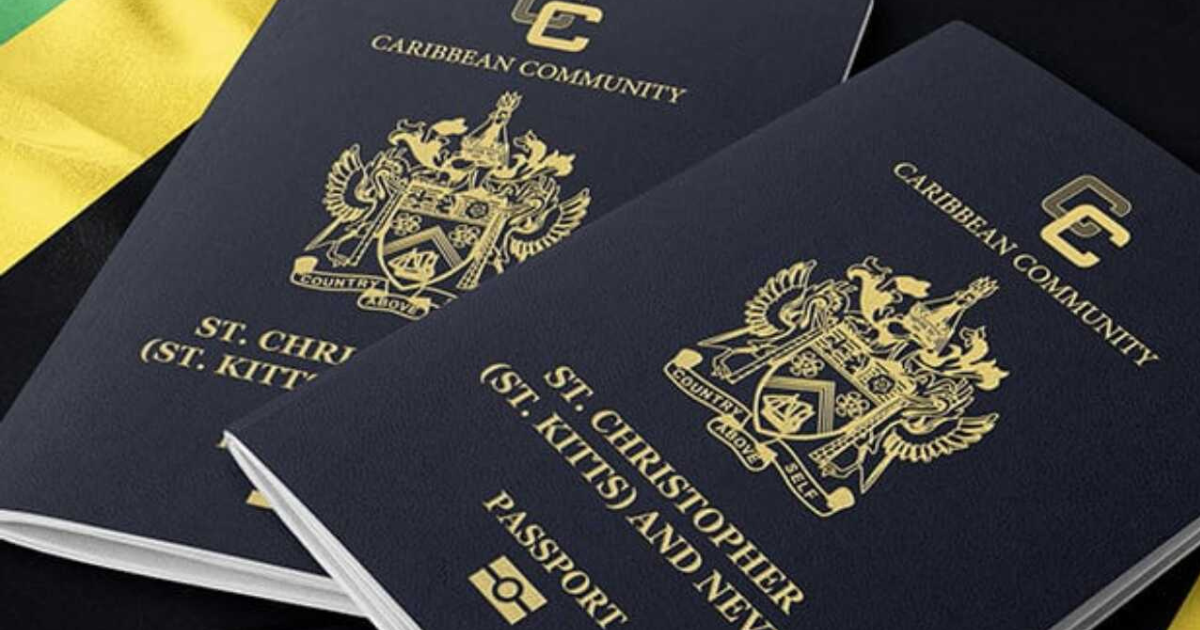
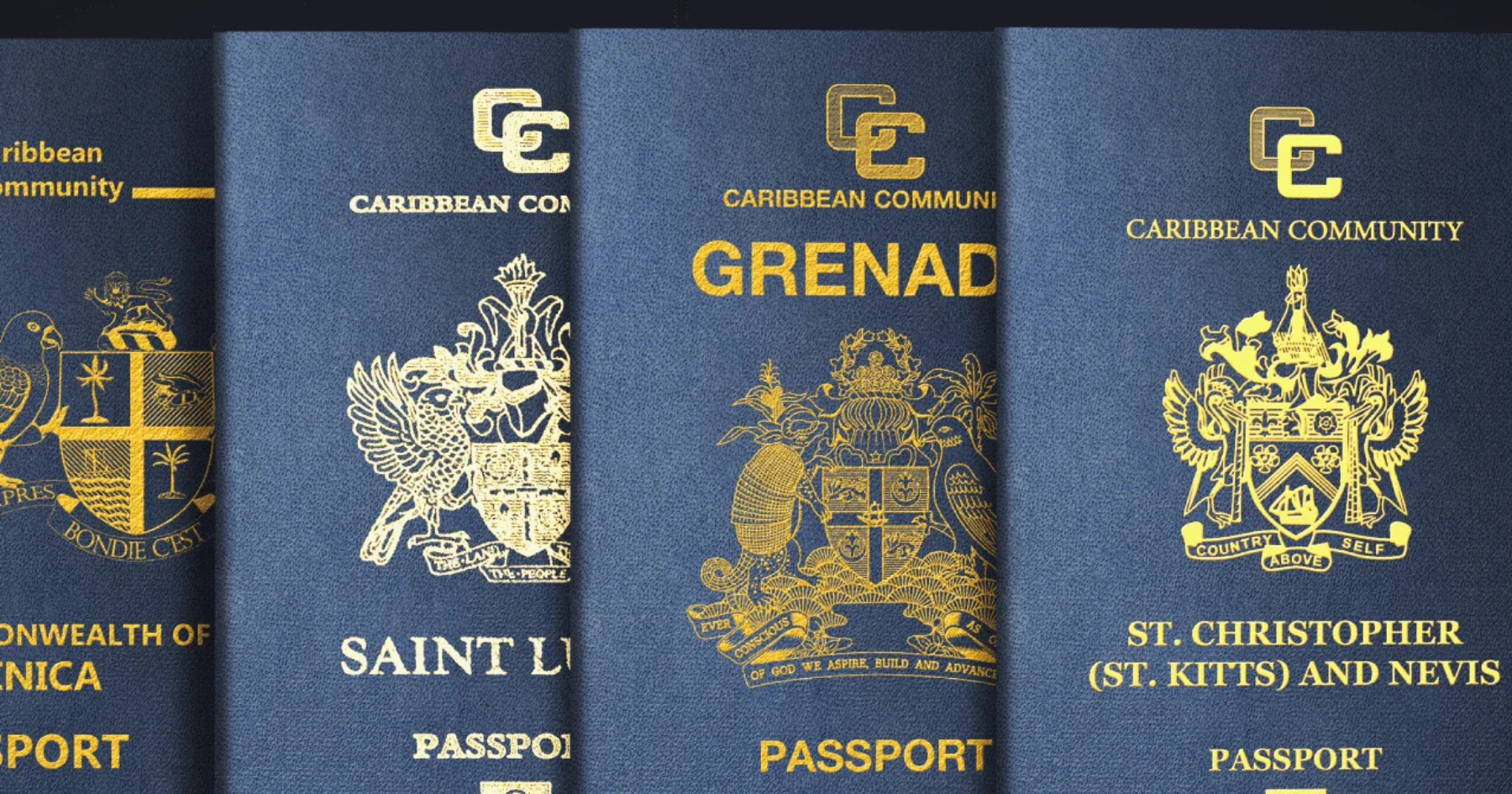
Citizenship means you become a full legal national of the country. You are issued a Certificate of Naturalization and, subsequently, a Caribbean Passport. This status is permanent, irrevocable, and can be passed down to future generations. Citizenship is about who you are and how you travel.
Comparing Core Benefits: Global Mobility and Lifestyle
The practical impact on your daily life depends on which path you select.
- Global Travel Rights: A residency permit only facilitates your entry into the specific island that issued it. It does not grant you new visa-free travel powers to other countries. In contrast, Caribbean citizenship, offered by nations like Grenada, St. Kitts, or Dominica, completely transforms your mobility, providing visa-free access to over 140-150 destinations, including the UK and Europe’s Schengen Area.
- Physical Presence Requirements: Residency programs are designed for those who genuinely intend to reside on the island. Most permits require you to spend a significant portion of the year (often 6 months or more) in the country. On the other hand, Citizenship by Investment (CBI) programs are built for global flexibility, typically requiring minimal to no physical presence to maintain your status.
Investment Pathways and the New Financial Landscape
As the Caribbean market has matured, the financial requirements for these paths have become more defined.
- The Citizenship Path: For those seeking immediate global access, the most common route is a non-refundable contribution to a National Development Fund or an investment in government-approved real estate. Under current regional standards, the entry point for a single applicant starts at $200,000. This “Direct Citizenship” route is the fastest way to secure a second passport, often taking between 6 to 10 months.
- The Residency Path: Residency-by-investment is often found in territories like the Cayman Islands or The Bahamas. These programs usually require a much higher capital outlay in local real estate (often starting at $600,000+) or a significant annual income. The focus here is on proving you can support yourself and contribute to the local economy without taking a local job.
Which Path Aligns with Your Goals?
Who Should Choose Caribbean Residency?
This path is ideal for Retirees, Digital Nomads, or Families whose primary goal is to physically move and build a life in the Caribbean. If your “dream” is the island lifestyle itself, waking up to the ocean every day and integrating into the local culture, residency is your logical starting point.
Who Should Choose Caribbean Citizenship?
This is the strategic choice for Investors and Business Leaders who need a powerful “Plan B.” If your primary goal is to overcome travel restrictions, protect your family’s future against geopolitical instability, and have the freedom to travel at a moment’s notice without the obligation to relocate, citizenship is the superior option.
The Long Road of Naturalization
A common misconception is that residency is a quick shortcut to citizenship. In reality, converting residency into citizenship via naturalization is a long and rigorous process. It often requires 7 to 15 years of continuous physical residence and a deep “genuine link” to the country. For most applicants seeking mobility, the direct investment-based citizenship path remains the only viable and efficient solution.
Conclusion: Clarity Leads to Success
In the modern Caribbean landscape, residency is for living, while citizenship is for sovereignty. One provides a home; the other provides a passport. By aligning your choice with your true goals, whether that is island life or global freedom, you can ensure your investment leads to the successful future you envision.
Follow us on social media and website for more insights!