
Image

Panama Friendly Nations Visa (FNV)

Panama’s Friendly Nations Visa remains one of Latin America’s most accessible long-term residency pathways, reflecting the country’s strategy of attracting global human capital and investment while strengthening its service-driven economy.

Introduction about Panama

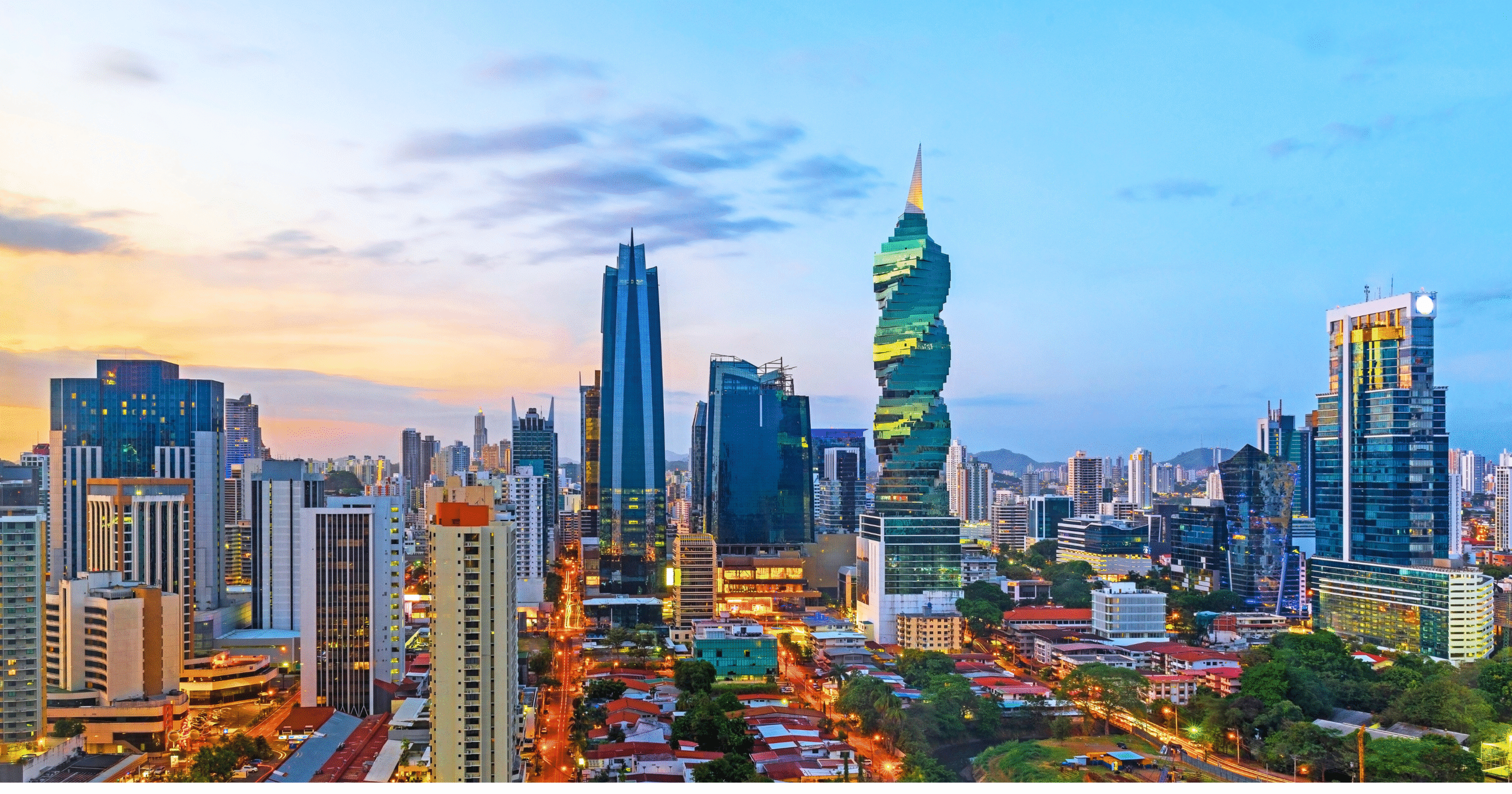
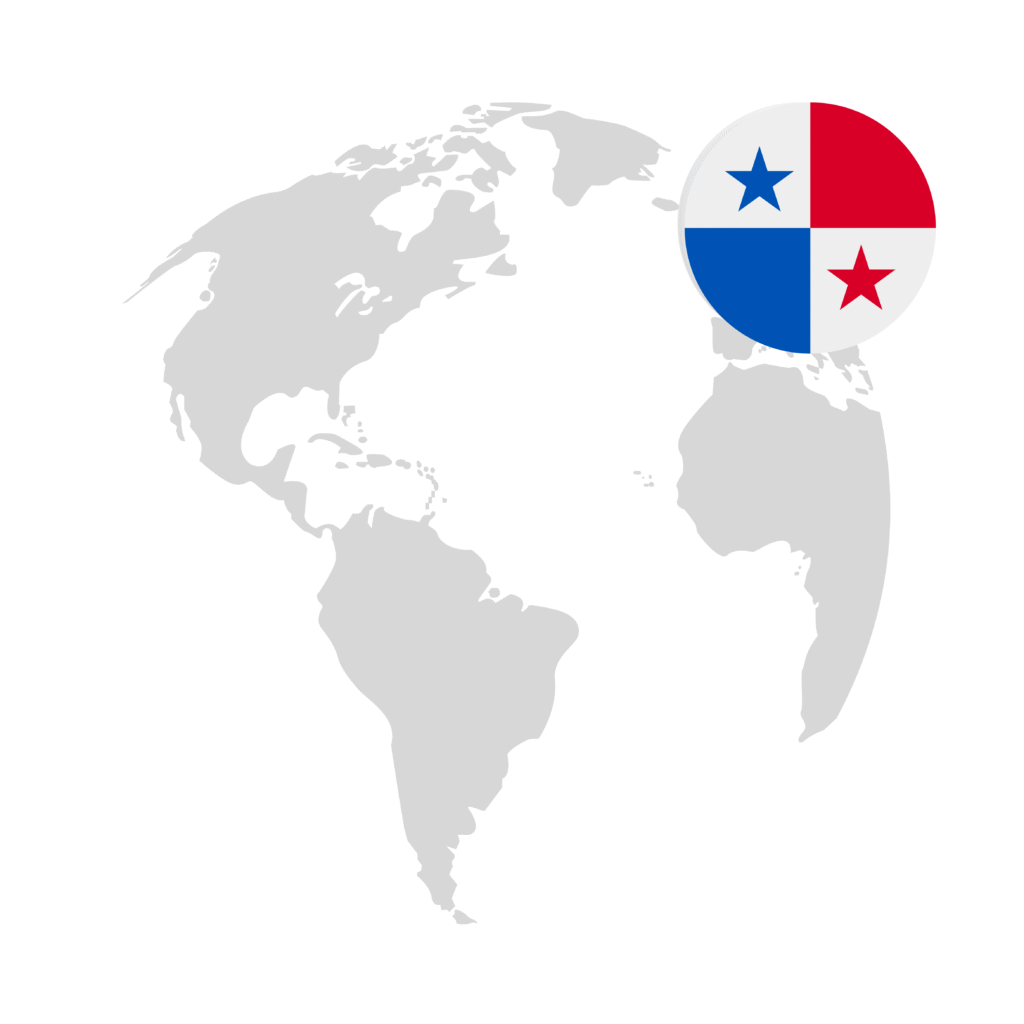
Panama is a strategically located, rapidly developing nation in Central America, known for the Panama Canal, strong banking sector, U.S. dollar–linked economy, and rising logistics, maritime, and service industries.
Its capital, Panama City, is a regional business hub with modern infrastructure, competitive taxation models, and significant expatriate communities.

Introduction about Panama Friendly Nations Visa (FNV)

The Panama Friendly Nations Visa (FNV) was introduced to attract professionals, entrepreneurs, and investors from “friendly” countries with strong economic ties to Panama.
Originally extremely flexible, the program was restructured in 2021 to introduce new minimum investment categories and clearer requirements.
The FNV provides a path to permanent residency, typically over a two-step process:

  • Temporary residence permit (valid for 2 years)
  • Eligibility for permanent residency upon meeting investment and compliance requirements.

This makes it one of the most straightforward residency pathways in the Western Hemisphere.

Country Key Data

  • Passport Ranking: Moderate global mobility
  • Visa-Free Travel: ~140 destinations
  • Population: ~4.5 million
  • GDP per Capita: ~USD 15,000
  • Capital: Panama City
  • Currency: Panamanian Balboa (PAB) & U.S. Dollar (USD; widely used)
  • Government Type: Unitary presidential constitutional republic
Panama Friendly Nations Visa (FNV)

Panama’s FNV is one of the most notable Western Hemisphere residency programs because it:

  • Supports Panama’s service and finance sectors
  • Encourages relocation of foreign professionals and investors
  • Demonstrates how Latin America is adapting residency pathways to attract global talent
  • Offers a more flexible residency option than more restrictive RBI/CBI frameworks
  • Helps diversify the country’s economy beyond the Panama Canal and logistics industry

Why Choose This Program?

Offers low-cost permanent residency compared to Europe or Asia

Has predictable timelines and straightforward requirements

Is suitable for digital nomads, entrepreneurs, and retirees

Provides access to a U.S. dollar economy with low taxation on foreign income

Program Qualifications

Be at least 18 years old
Clean criminal record
Be citizens of a country on Panama’s “Friendly Nations” list (including the U.S., Canada, EU, UK, Australia, many Asian nations, etc.)
Fulfill one of the recognized economic or professional ties to Panama
Provide proof of financial solvency (bank account, income statements)
Eligible dependents: Spouse, Children under 25 (conditions apply), Dependent parents (with proof of support)

Benefits

Access to territorial tax system (foreign-sourced income generally not taxed)

Ability to live, work, and study in Panama

Pathway to permanent residency in less time compared to other programs

Family-friendly structure

No large investment required; options start from accessible levels


Investment Options

To qualify for FNV, applicants must establish one of the following:

Option 1: Real Estate Investment
Minimum USD 200,000 investment in Panamanian property
Property may be financed through a local bank
Must be held for qualification and maintained for permanent residency approval
Option 2: Employment in Panama
Must secure a legitimate job offer from a Panamanian company
Work permit required (processed separately)
Demonstrates professional ties to the country
Option 3: Business Formation
Incorporation of a Panamanian company
Must show active economic activity, not just a passive shell
Shareholder or director roles accepted

Roadmap to Residency

Step-by-Step Application Guide

Step 1: Eligibility Screening

Confirm nationality is on the Friendly Nations list.

Choose real estate, employment, or company formation route.

Open a local bank account (often with minimum deposits of USD 4,000–5,000).

Provide documents including police records, passport, financial evidence, and proof of economic ties.

Valid for 2 years.

After meeting conditions and maintaining economic ties, apply for PR.

Residency card renewals as needed; potential path to naturalization after 5 years.

Real Stories

“Meet the Families Who Found a New Home in Austria”

“We wanted our kids to grow up with access to top universities and safe cities. Austria gave us both — and more.” – Maria & Tomas, Former Investors from Latin America

Risks & Realities

Pros
Accessible financial thresholds
One of the simplest residency pathways in the Americas
Flexible options: real estate, employment, or business
Path to permanent residency and eventually citizenship
U.S. dollar–based economy
Cons
Citizenship is not automatic and requires a long integration period
Employment route requires navigating Panama’s labor regulations
Real estate must be carefully vetted
Frequent policy updates may affect eligibility
Must maintain ties to remain compliant

Optional Interactive Elements

Residency Cost Estimator Tool
Interactive Map: Schengen Access & Benefits
Compare EU Residency Programs