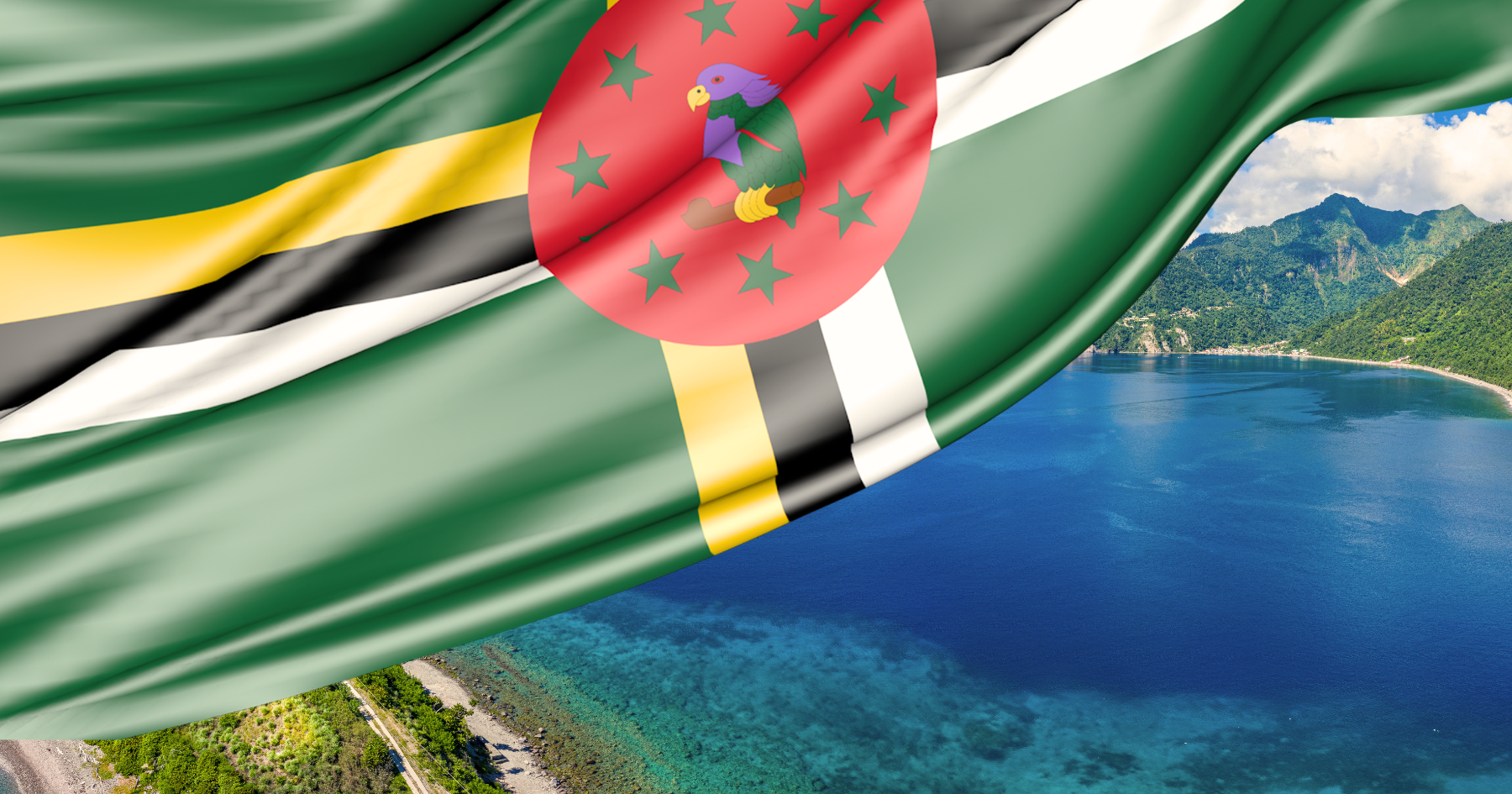



In a significant shift in consular policy, the United States has drastically shortened the validity of visas for nationals of Antigua and Barbuda and Dominica. The move replaces long-term, multiple-entry visas with single-entry permits valid for only 90 days.
According to the updated U.S. State Department reciprocity schedules, B-1 and B-2 (tourism and business) visas for these two nations have been capped at three months and a single entry. This is a sharp decline from the previous 10-year (120-month) validity that allowed for unlimited entries.
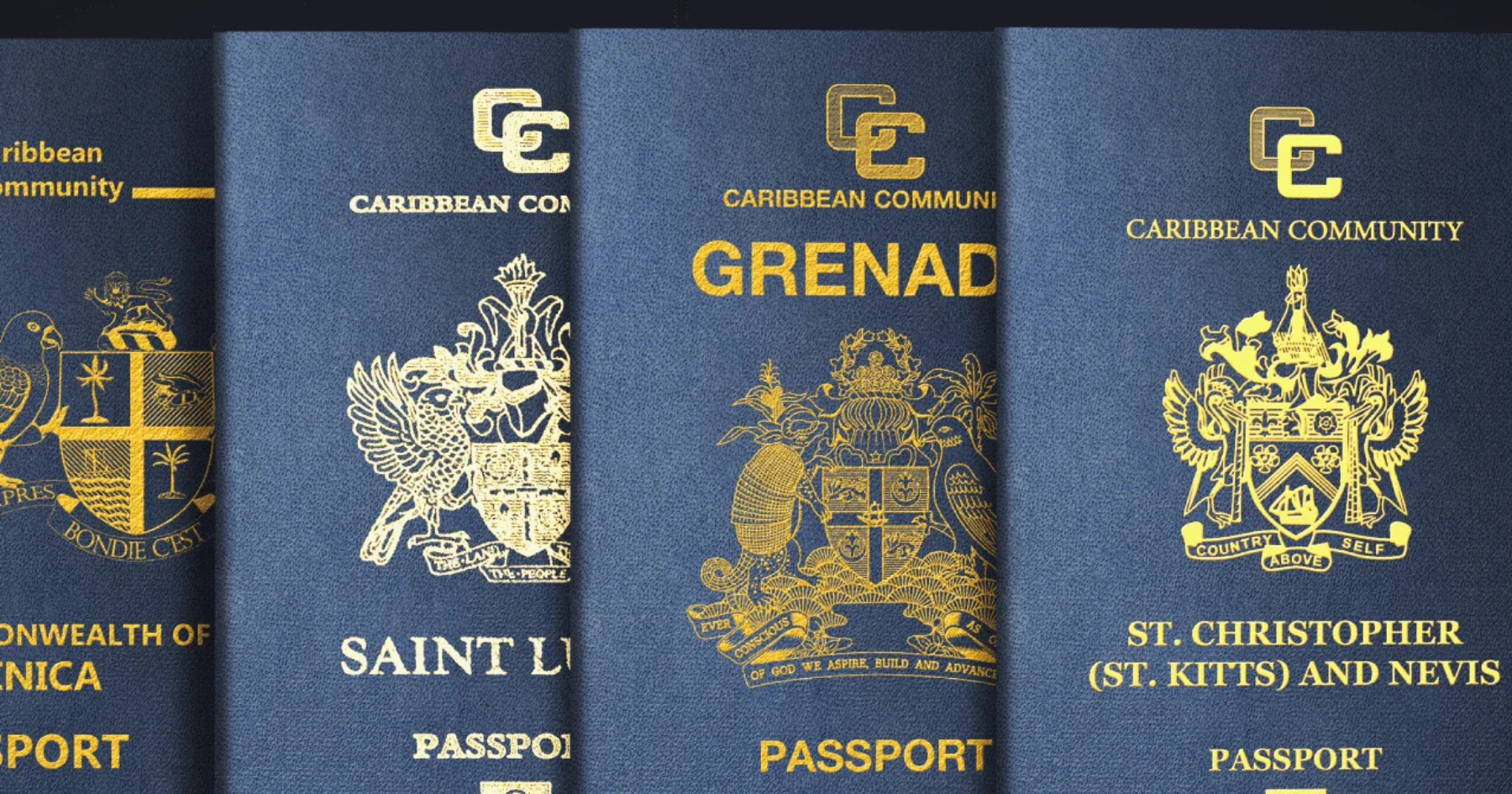
Notably, other neighboring countries in the region, including Saint Kitts and Nevis, Saint Lucia, and Grenada, retain their 10-year, multiple-entry visa terms.
Impact Beyond Tourism
The new restrictions are not limited to visitors. Several other visa categories have seen similar downgrades for Antigua and Dominica:
- Students: F-1 and F-2 visas.
- Exchange Visitors: J-1 and J-2 visas.
- Intracompany Transfers: L-1 and L-2 visas.
- Religious Workers: R-1 and R-2 visas.
Diplomatic visa categories (A and G series) remain unaffected, maintaining their 60-month validity with multiple entries.

New Financial Requirements and Bonds
In addition to shorter validity, the U.S. Embassy in Bridgetown now requires approved B-1/B-2 applicants from these two countries to post a bond of up to US$15,000. The specific amount is determined by consular officers during the mandatory interview in Barbados.
For travelers, this creates a significant administrative and financial burden, as every trip now requires a new application, a new fee, and a potential new bond.
Context of the Change
While no official statement directly links this to broader immigration proclamations, the timing follows a period of increased scrutiny on Caribbean Citizenship by Investment (CBI) jurisdictions.
In mid-2025, the State Department raised concerns regarding passport vetting and residency requirements in the region. Although countries like Saint Kitts and Nevis implemented mandatory residency reforms to address these concerns, Antigua and Dominica are currently facing the full scope of these new restrictive measures.
A 180-day review cycle exists within current U.S. policy, allowing for restrictions to be modified if affected countries enhance their screening and information-sharing protocols.
Follow us on social media and website for more insights!