


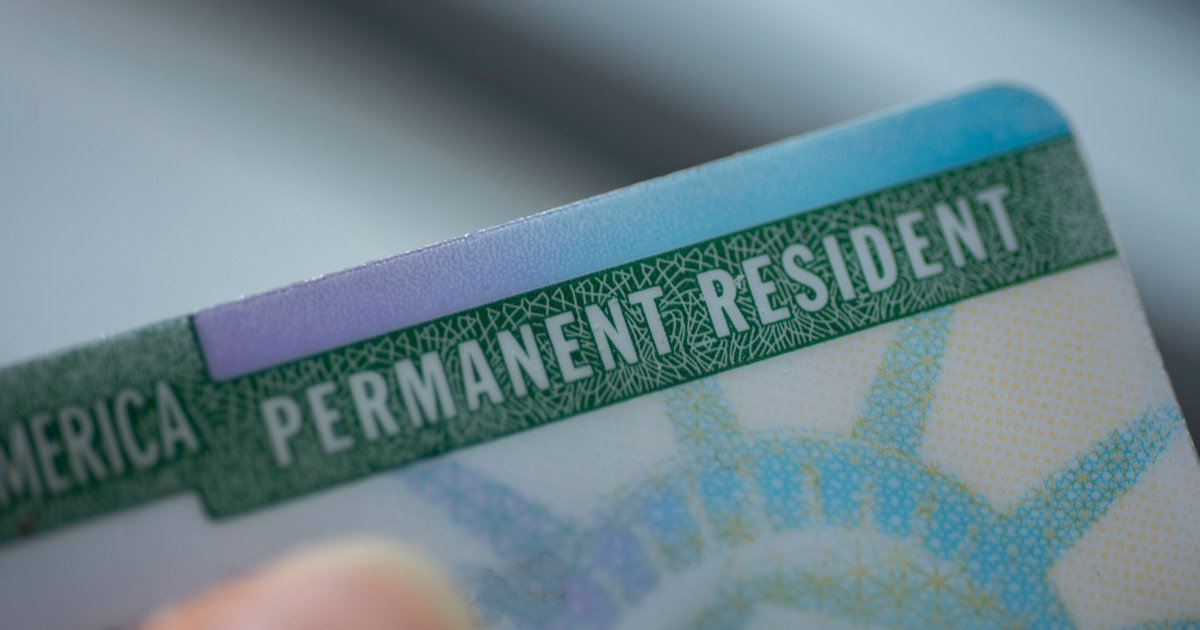
Learning how to get a permanent resident card is a complex process that varies significantly from one country to another. While each nation has its own legal framework, most residency programs share common patterns, categories, and requirements.
Securing a permanent resident card (PR) typically marks the transition from being a temporary visitor to a long-term member of society. This guide provides a comprehensive overview of the most common pathways used globally and how they differ by region.
1. Permanent Residency vs. Citizenship: What is the Difference?
Before diving into how to get a permanent resident card, it is vital to understand what this status actually provides. A PR card grants you the right to live and work in a country indefinitely. However, it is not the same as holding a passport.
- Rights: PR holders enjoy most rights, such as healthcare and education. However, they usually cannot vote or hold high-level government jobs.
- Travel: A PR card allows you to enter and leave your host country easily. Nevertheless, you still travel using your original national passport.
- Security: Unlike citizenship, permanent residency can be revoked if you commit a serious crime or stay outside the country for too long.
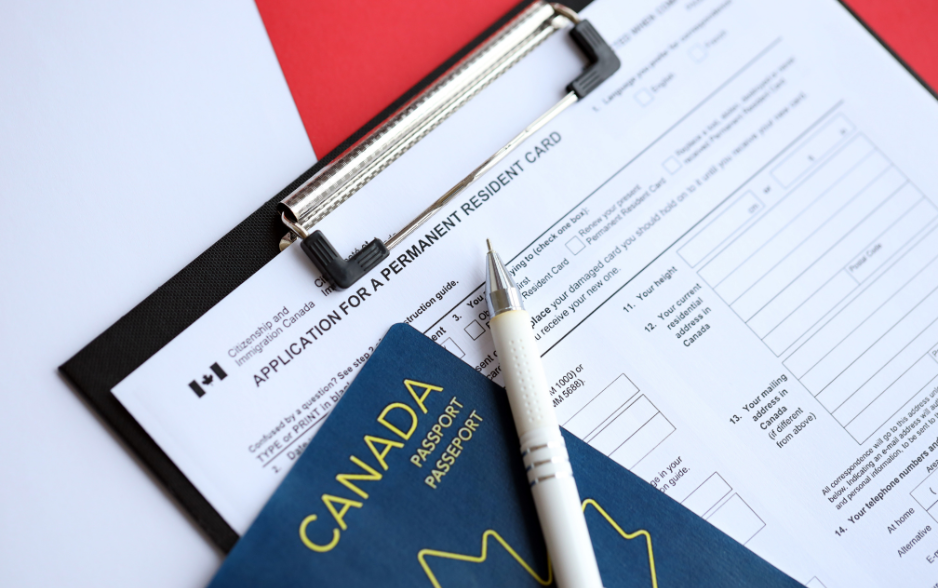
2. Common Pathways to Permanent Residency
Because every country prioritizes different economic or social goals, the requirements to get a permanent resident card will differ. However, most international systems offer these general categories:
Employment and Skilled Migration
Countries like Canada, Australia, and New Zealand often use points-based systems. In these cases, you may qualify based on your education, work experience, and language skills. Consequently, young professionals with high-demand skills find this the most effective way to learn how to get a permanent resident card.
Investment and “Golden Visas”
Some jurisdictions offer a faster way to obtain a permanent resident card through financial contribution. By investing in real estate, national funds, or local businesses, you may secure residency without a long waiting period. Countries like Greece, Spain, and many Caribbean nations are famous for these pathways.
Family Ties and Sponsorship
Many nations allow citizens or existing PR holders to sponsor their foreign spouses, children, or sometimes parents. While this is often a direct way to get a permanent resident card, the vetting process for “genuine relationships” is extremely strict to prevent fraud.
Long-term Residency through Temporary Permits
In many European countries, there is no “direct” investor or work PR. Instead, you must first hold a temporary residence permit for several years (usually five). After demonstrating integration and tax compliance, you can then apply to transition to a permanent resident card.
3. Regional Variations: A Global Perspective
The “rules of the game” change depending on where you look. Therefore, your strategy for how to get a permanent resident card must be region-specific.
- North America: Programs are often structured and highly competitive, focusing on “human capital” (skills and youth).
- European Union: Focuses heavily on integration. You will likely need to pass language exams and social studies tests. Furthermore, each EU country (like Portugal vs. Germany) has slightly different wait times.
- Southeast Asia & UAE: Historically, these regions focused on long-term renewable visas rather than true “permanent” residency. However, new programs like the UAE Golden Visa are changing this landscape.
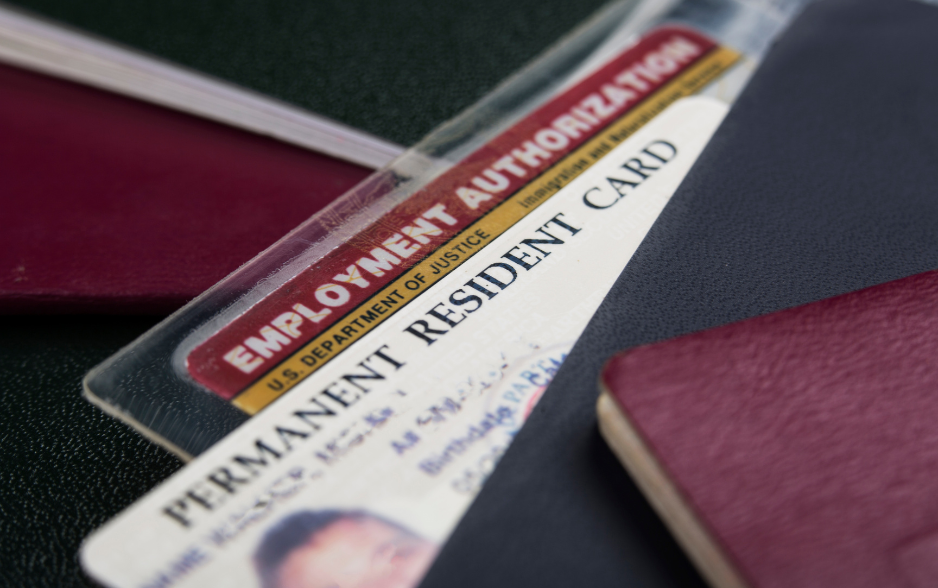
4. General Requirements (Varies by Country)
While there is no single rule for how to get a permanent resident card globally, applicants should generally prepare for the following criteria:
Physical Presence Requirements
Most countries expect you to demonstrate a “genuine link” to the land. This usually means living in the country for a minimum of 183 days per year. However, some investment-based programs may offer more flexibility, requiring only a few days of visit annually.
Language and Integration
To help you integrate, many governments require a basic understanding of the local language. Furthermore, some countries may ask you to pass an exam covering local history and laws. Consequently, preparation for these tests is a major part of the application journey.
Financial Self-Sufficiency
Authorities must ensure you will not become a financial burden on the state. Therefore, showing stable income, a job offer, or significant savings is a standard part of learning how to get a permanent resident card.
5. Common Pitfalls to Avoid
Even if you meet all criteria, small mistakes can lead to rejection. To successfully get a permanent resident card, avoid these common errors:
- Incomplete Documentation: Missing a single police clearance or birth certificate translation can delay your case for months.
- Misrepresentation: Never provide false information. Immigration departments share data globally; a lie in one country can get you banned from many others.
- Missing Deadlines: Ensure your temporary status does not expire while you are waiting for your PR card approval.
Conclusion
Understanding how to get a permanent resident card is the first step toward global mobility and personal security. Because immigration laws are sensitive to political changes, they can shift frequently. Therefore, you should always consult official government websites or a qualified immigration attorney before starting your journey.
Follow us on social media and website for more insights!