

When you think of Malta, you likely picture endless sunshine, deep blue seas, and long, lazy days on the beach. While this Mediterranean dream is a big part of the archipelago’s charm, the weather in Malta is far more complex and fascinating than most realize.
The classic climate narrative, “hot summers and mild winters”, only tells half the story. For digital nomads, investors, and travelers planning to spend significant time on the islands, understanding the atmospheric nuances is essential for a comfortable life. From Saharan sand winds to the intense “bone-chilling” humidity, here are five surprising facts you probably didn’t know about the Maltese climate.
1. The Powerful Humidity That Redefines Heat
Most people check the temperature but ignore the humidity index. In Malta, humidity is the silent architect of how the weather actually feels. Because the islands are surrounded by the sea, moisture levels remain high year-round.
- The Summer Trap: In July and August, temperatures often sit at 32°C. However, due to high humidity, the “RealFeel” temperature frequently hits 40°C or higher. This creates a heavy, energy-sapping heat that requires a slow pace of life (the local siesta culture exists for a reason).
The Winter Dampness: During the cooler months, the same humidity makes the air feel damp and “heavy,” which can affect everything from how fast your laundry dries to your joint health.
2. The Xlokk (Scirocco): When the Sahara Comes to Visit
One of the most unique phenomena of the weather in Malta is a wind known locally as the Xlokk. This is the Maltese name for the Scirocco, a hot, southerly wind that originates in the Sahara Desert.
This wind doesn’t just bring heat; it brings a piece of Africa with it.
- Blood Rain: The Xlokk often carries fine, reddish dust from the desert. When it meets a rain cloud, it results in “blood rain”, leaving cars, balconies, and streets covered in a thin layer of orange sand.
- Atmospheric Mood: During a Xlokk day, the sky turns a hazy, surreal yellow, and the air becomes exceptionally oppressive and moist. It’s a fascinating reminder of Malta’s geographical position as a bridge between two continents.
3. Torrential Rainfall: The "Flooding" Paradox
Malta is famous for its dry summers, often going from June to August without a single drop of rain. However, the autumn and winter months bring a dramatic shift.
The weather in Malta rarely features the gentle, persistent drizzle common in Northern Europe. Instead, rainfall is typically short, intense, and torrential.
- Flash Floods: Because the ground is hard-baked and non-porous after a long summer, it cannot absorb water quickly. A 30-minute storm can turn limestone streets into rushing rivers.
- The Slipperiness Factor: The “first rains” of September are notoriously dangerous for drivers. The water mixes with months of accumulated dust and oil on the roads, creating a surface as slippery as ice.
4. The Surprising "Indoor Chill" of a Maltese Winter
Tourists often assume that a Maltese winter (average 15°C – 17°C) is consistently warm. While it is mild compared to London or Berlin, the perceived temperature is much lower.
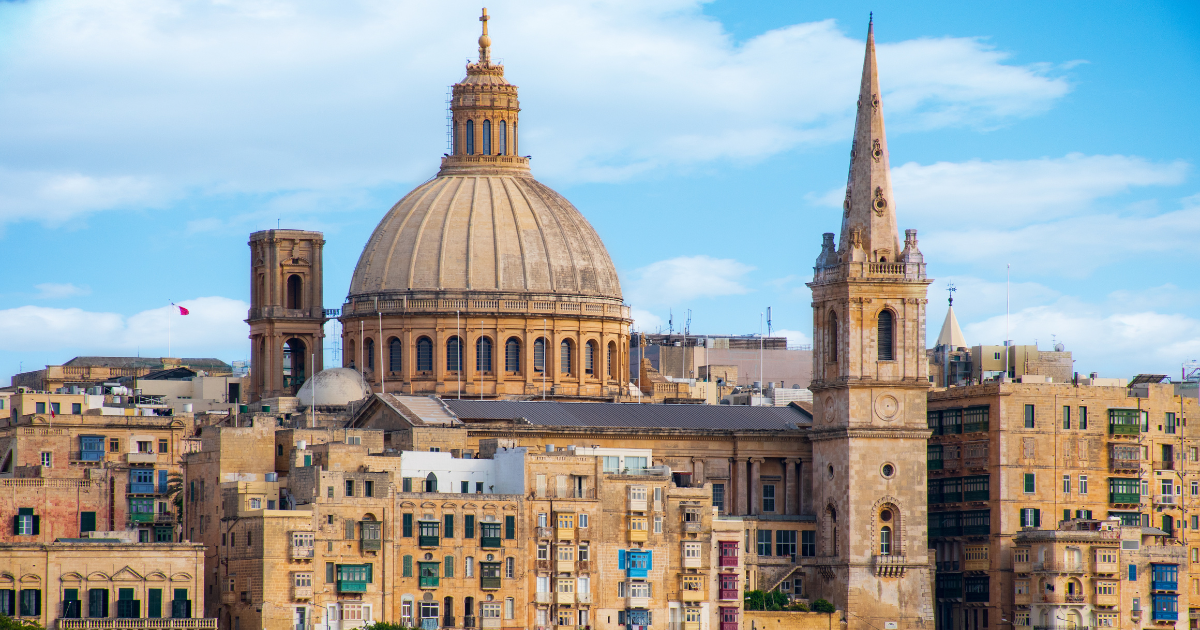
- Stone Cold Houses: Traditional Maltese houses are built with thick limestone walls designed to keep the interior cool during the scorching summer. Unfortunately, they also trap the damp chill in winter.
- Lack of Insulation: Most homes do not have central heating. It is a common “expat shock” to realize that you feel colder inside your Maltese apartment than you did back home in a much colder climate. Locals rely heavily on dehumidifiers and gas heaters to survive the “damp winter” months.
5. Water Scarcity: A Direct Consequence of the Climate
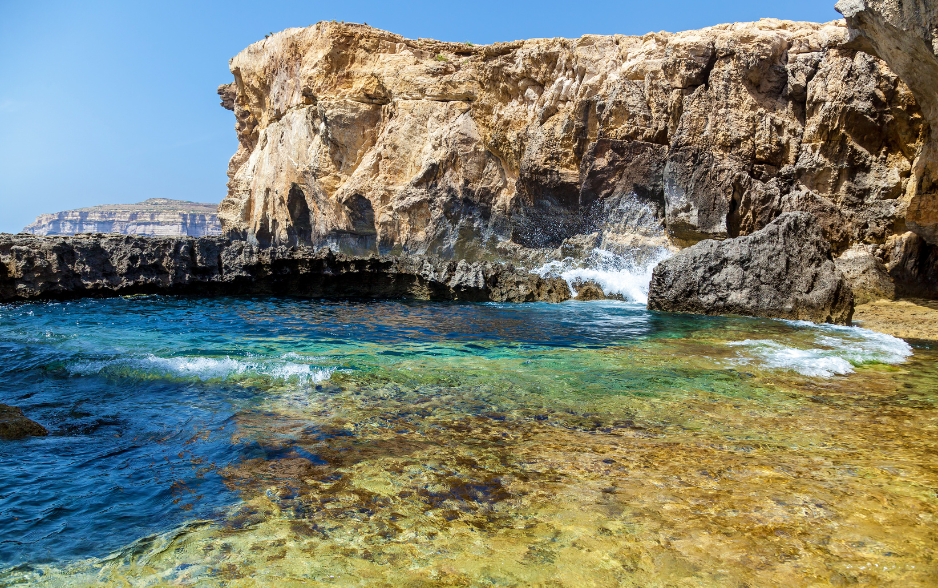
This final point connects the weather to the very survival of the nation. Malta has no permanent rivers, lakes, or forests to retain water.
The intense rainfall mentioned in Fact #3 means that most of the precious water runs off into the sea before it can replenish the underground aquifers. This has forced Malta to become a world leader in Reverse Osmosis (Desalination) technology.
Fact: A significant portion of the tap water you use in Malta is actually processed seawater. This technological reliance is a direct result of the island’s volatile rainfall patterns and long, dry summers.
Conclusion: Embracing the Dynamic Mediterranean
The weather in Malta is far more than just a backdrop for a sun-soaked holiday. It is a powerful force that shapes the architecture, the economy, and the daily habits of the people.
By understanding these five surprising facts, you can move beyond the “postcard” image and appreciate the archipelago for what it truly is: a dynamic, ever-changing environment where the wind from the Sahara and the humidity of the Mediterranean meet. Whether you are moving for the 300 days of sunshine or the strategic investment opportunities, being weather-wise is your first step to a successful life in Malta.
Follow us on social media and website for more insights!