

Argentina has announced a US$350,000 contribution route and a US$800,000 government bond option, with applications expected to open in the fourth quarter of 2026.
Argentina’s citizenship by investment programme will offer qualifying foreign applicants two financial routes: a non-refundable contribution to the National Treasury or a subscription to a government bond created for the programme.
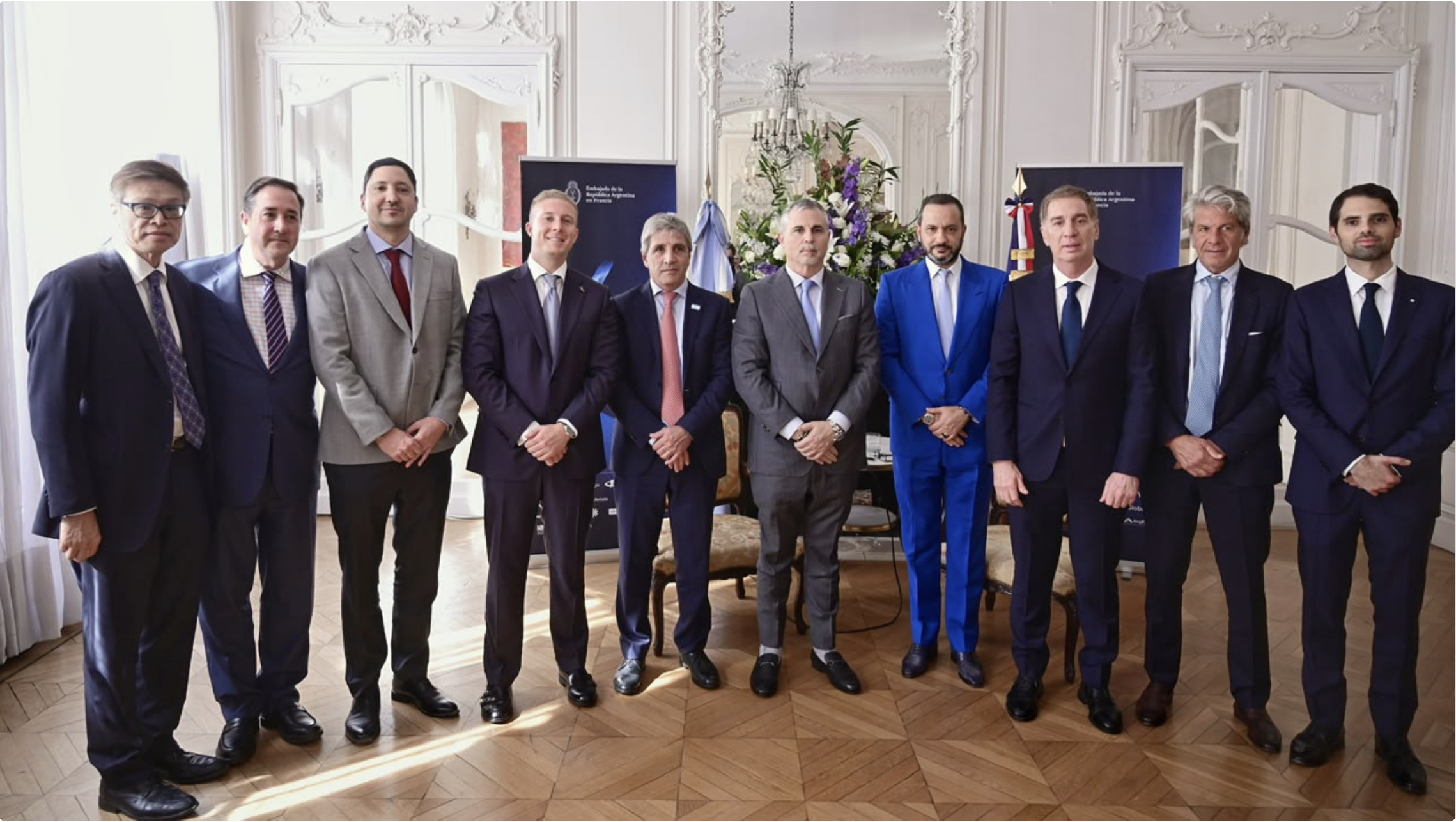
Economy Minister Luis Caputo announced the plans alongside Cabinet Chief Diego Santilli during Argentina Week in Paris. The initiative forms part of Argentina’s efforts to attract international capital and strengthen its investment climate.
For families, the cost depends on the number and ages of accompanying children. A principal applicant, spouse and two children under 18 would contribute US$500,000 through the Treasury route, before additional expenses.

Argentina has announced a citizenship by investment programme with a contribution route starting at US$350,000.
How much does Argentina citizenship by investment cost?
The announced principal-applicant amounts are US$350,000 for the contribution route and US$800,000 for the government bond route.
| Route | Principal-applicant amount | Payment structure |
|---|---|---|
| Treasury contribution | US$350,000 | Non-refundable contribution |
| Government bond | US$800,000 | Subscription to a programme-specific government security |
These are qualifying financial thresholds, rather than confirmed all-inclusive application prices.
Treasury contribution: US$350,000
The contribution goes directly to Argentina’s National Treasury and is non-refundable. Applicants adding eligible family members must budget for additional contributions.
Government bond: US$800,000
The bond has been reported as having a planned seven-year term with no interest payments. The government announcement does not specify these terms, so they remain reported details pending official confirmation.
Under the reported structure, the bond would cover the principal applicant, while accompanying family members would make separate Treasury contributions. This arrangement remains subject to official confirmation.
Which family members can apply?
The announced family categories are spouses and children, with proof of the family relationship required.
| Eligible family member | Additional Treasury contribution |
|---|---|
| Spouse | US$100,000 |
| Each child aged 18–25, unmarried and without children | US$100,000 |
| Each child under 18 | US$25,000 |
Fragomen’s implementation update confirms these categories and contribution amounts.
Reported eligibility details indicate that adult children must never have married and would not need to prove financial dependency. These additional details should be checked against the final operational rules.
Argentina citizenship by investment: family cost examples
The following Treasury-route examples are calculated from the announced contribution schedule:
| Applicants | Contribution calculation | Total contributions |
|---|---|---|
| One principal applicant | US$350,000 | US$350,000 |
| Principal applicant and spouse | US$350,000 + US$100,000 | US$450,000 |
| Couple and one child under 18 | US$350,000 + US$100,000 + US$25,000 | US$475,000 |
| Couple and two children under 18 | US$350,000 + US$100,000 + US$50,000 | US$500,000 |
| Couple and one eligible child aged 18–25 | US$350,000 + US$100,000 + US$100,000 | US$550,000 |
The government expressly gives US$500,000 as the contribution for a couple with two minor children. These figures exclude any additional application or service expenses.
For the same family using the reported bond structure, the calculated total commitment would be US$950,000, consisting of the US$800,000 bond and US$150,000 in family contributions, before additional fees.
When will Argentina’s CBI programme open?
Argentina’s citizenship by investment programme is expected to accept applications during Q4 2026, covering October through December.
The government announcement, dated 2 October 2026, identifies this opening window but does not provide an exact application-opening date. An announced launch window should not be read as confirmation that applications are already being accepted.
Is two years of residence required?
The investment pathway has a separate legal basis from ordinary residence-based naturalisation.
Decree 366/2025 introduced citizenship eligibility for foreigners making a qualifying investment, regardless of their length of residence. The standard naturalisation category in that decree requires two years of continuous, lawful residence.
However, exemption from that residence period does not establish every practical requirement for an investment application. Any travel, attendance or physical-presence obligations still need to be checked against implementation guidance.
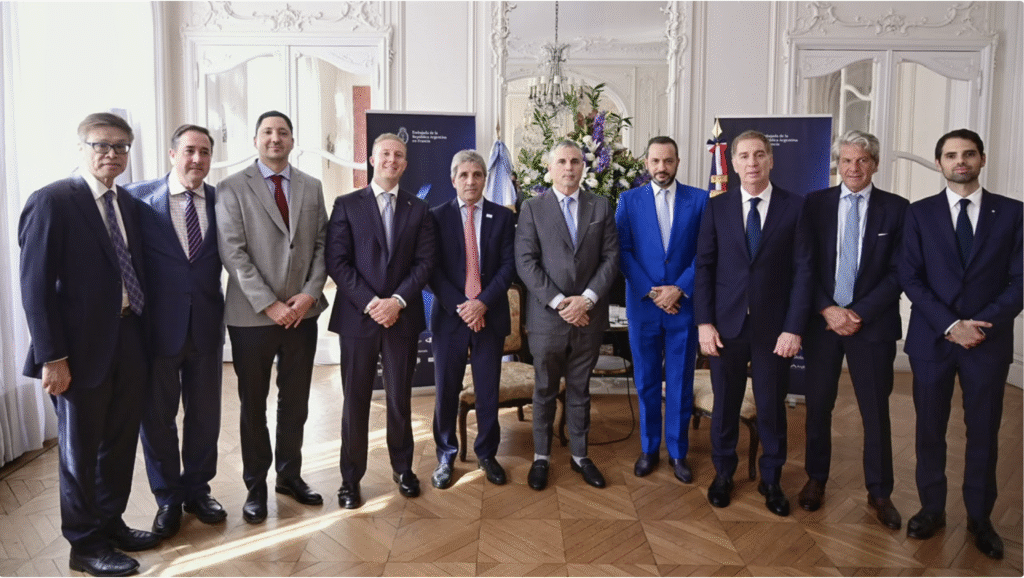
Announced options include a US$350,000 Treasury contribution or a US$800,000 government bond, with additional contributions for eligible family members.
How will applications be reviewed?
Under Decree 524/2025, the Agency for Citizenship by Investment Programs evaluates whether an investment qualifies and obtains reports from relevant authorities.
The framework involves security, financial intelligence, criminal-record, identity and state intelligence bodies. The agency then sends a reasoned recommendation to the National Directorate of Migration, which decides whether to grant citizenship.
Fragomen describes checks covering identity, lawful source of funds, financial circumstances, jurisdictional risk, criminal and reputational records, and immigration history. Funds must pass through the formal financial system and comply with applicable financial transparency requirements.
How long will processing take?
A complete application-to-decision processing time has not been confirmed in the sources reviewed.
Decree 524/2025 provides a 30-working-day decision period after the National Directorate of Migration receives the agency’s report. This applies to the final decision stage; it does not include the preceding investment assessment and information-gathering stages.
What additional fees and requirements remain unconfirmed?
Further guidance is expected to clarify application procedures, documentation, fees, bond conditions and any additional eligibility or physical-presence requirements, according to Fragomen.
Prospective applicants should distinguish the qualifying investment from the total application budget. For example, a family contribution calculation does not establish the eventual cost of document preparation, professional assistance or other charges.
The next practical milestone is publication of the operational rules, including filing instructions, payment timing and the final conditions governing each route.