

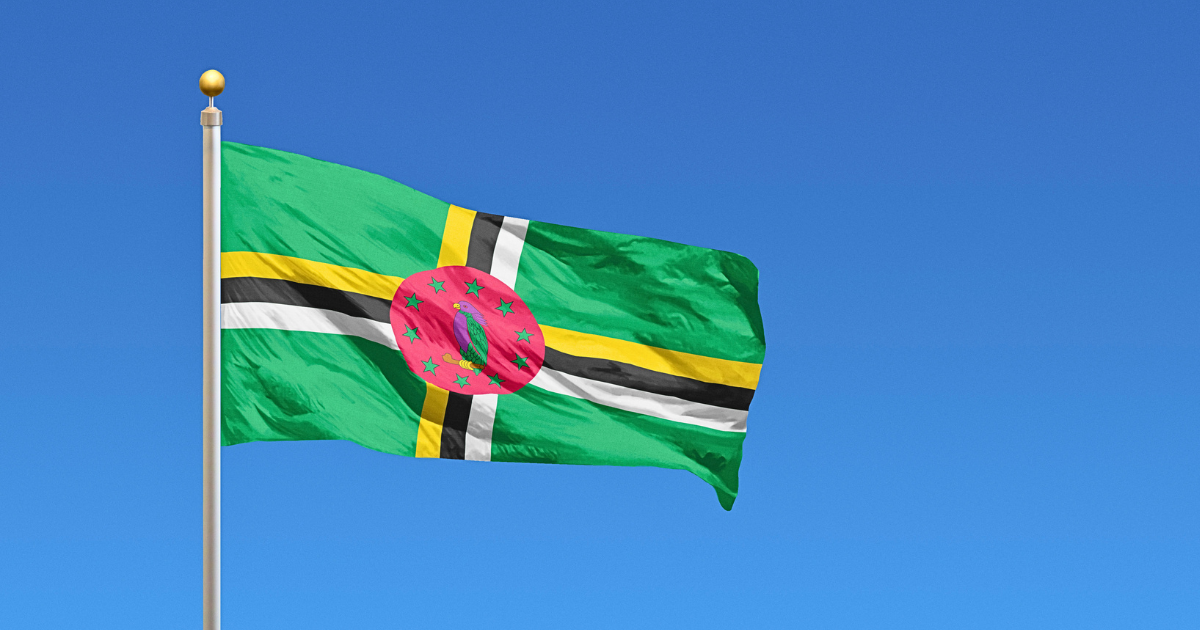
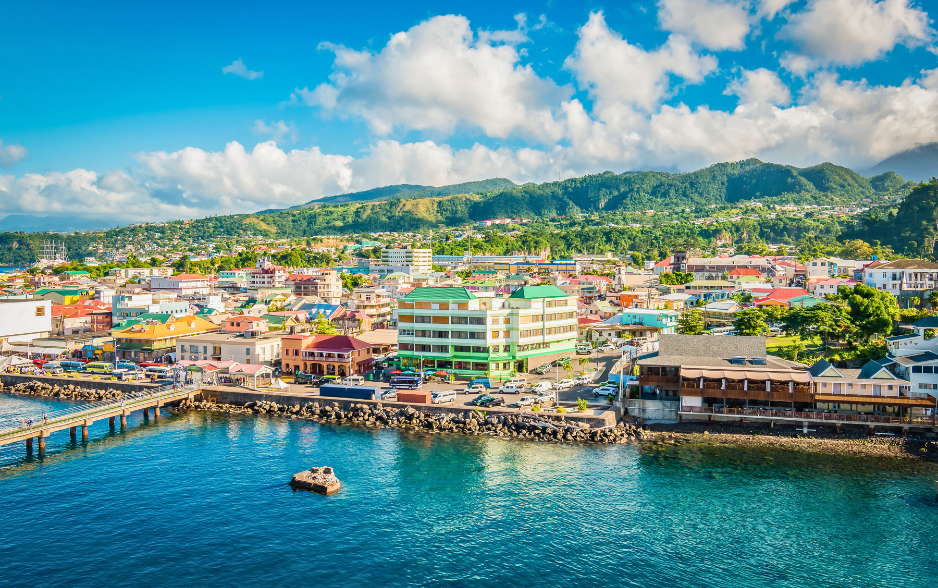
Dominica will now require all new economic citizens to travel to the island in person before they can receive their passports. Prime Minister Roosevelt Skerrit announced the major policy change during a press conference on June 10, 2026. This decision officially ends the “hands-off,” remote model that has defined the country’s Dominica CBI program since 1993.
Under the new rules, successful applicants must travel to Dominica to collect and renew their passports. PM Skerrit explained that this visit will help new citizens better understand and appreciate the country’s people, culture, and development goals.
The End of the Remote Citizenship Model
For over 30 years, Dominica’s program did not require applicants to visit or live on the island. Investors could complete the entire process remotely through a licensed agent and a virtual interview. While this open-door design was the program’s main selling point, it has recently faced heavy criticism from international governments.
PM Skerrit stated that this shift is a “regional reality” and not just a Dominica problem. Five Caribbean nations sell citizenship: Dominica, Antigua and Barbuda, Grenada, Saint Kitts and Nevis, and Saint Lucia. In September 2025, these five countries signed an agreement to create a shared regulatory authority and a common rule requiring a 30-day physical presence within the first five years of citizenship.
Pressure from the US and EU
This sudden policy change has a clear trigger: intense political pressure from Washington and Brussels over the program’s lack of a residency requirement.
Recent international restrictions include:
- United States: President Trump’s December 2025 proclamation placed travel restrictions on Dominican nationals. Later, the State Department cut the validity of US visas for Dominicans from ten years to just three months.
- European Union: In December 2025, Brussels warned that operating a CBI program could justify losing visa-free access to Europe, urging Caribbean nations to tighten their rules.
PM Skerrit presented these updates as a vital way to save the program. Revenue from the CBI program funds essential local infrastructure, including housing, hospitals, schools, and climate projects.
What This Means for Investors
Dominica’s neighbors have already taken similar steps. Saint Kitts and Nevis recently announced it would phase out its donation-only route, moving toward “genuine-link” requirements based on physical presence and long-term engagement. Antigua and Barbuda is also considering raising its physical-presence requirement to 90 days.
According to licensed immigration agents, applications filed before the end of June 2026 are expected to follow the old rules with no in-person requirement. However, the government has not yet published an official cutoff date.
The upcoming national budget will decide the exact number of days investors must spend on the island and how the visit will connect to passport collection. What is already certain is that Dominican citizenship can no longer be bought and held without ever visiting the country.
Follow us on social media and website for more insights!