

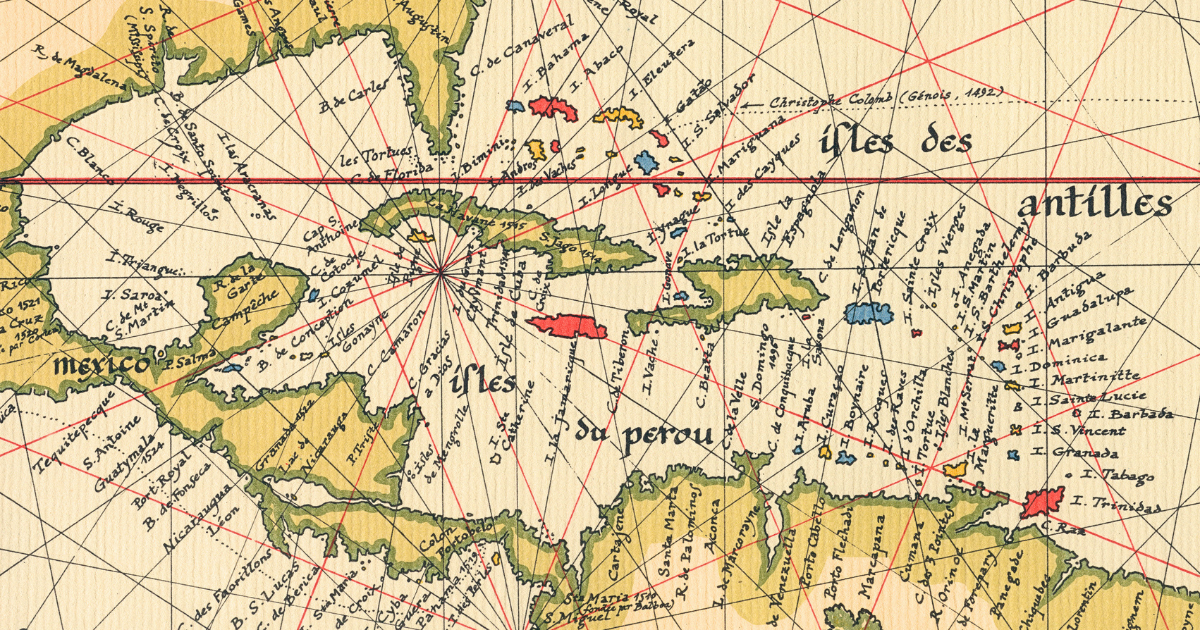
For many years, buying a second passport in the Caribbean was a popular choice for global families. Investors simply put money into real estate or gave a donation to an island nation. In return, they received citizenship and a passport to travel visa-free to many countries. Each island managed its own program and rules.
However, in 2026, the rules of the game are changing. Five Caribbean nations are coming together to create a new, unified system. This change is called the ECCIRA Act.
If you are a beginner looking into investment migration, this article will explain what ECCIRA is in a simple, clear way.
1. What is the ECCIRA Act?
ECCIRA stands for the Eastern Caribbean Citizenship by Investment Regulatory Authority.
In simple terms, ECCIRA is a new “Central Regulatory Body” (a joint management team). Instead of every island working alone and competing with each other, these five countries created ECCIRA to oversee the whole region, set standard rules, and ensure high quality.
The 5 Participating Caribbean Countries:
- Antigua and Barbuda
- The Commonwealth of Dominica
- Grenada (This is where the official ECCIRA headquarters is located)
- Saint Kitts and Nevis
- Saint Lucia

2. Why was ECCIRA Created?
Caribbean passports are valuable because they allow visa-free travel to the European Union (Schengen zone) and the United Kingdom. However, international partners like the US and the EU raised safety concerns. They worried that the background checks on applicants were not strict enough.
To protect the power and reputation of their passports, the five Caribbean nations signed a Memorandum of Agreement (MoA) in March 2024. Now, through the ECCIRA Act, they are turning that agreement into a real regional oversight system to upgrade their security standards.
3. The 4 Big Changes Every Investor Must Know
If you want to apply for a Caribbean passport now, ECCIRA introduces four major rules that make the process safer and more transparent:
A. The $200,000 Minimum Price Floor
In the past, islands sometimes lowered their prices to attract more applicants. ECCIRA has stopped this competition by setting a strict rule: No country can offer citizenship for less than US$200,000. Some countries may choose to set their prices even higher (for example, Grenada’s donation path starts at US$235,000).
B. The Shared Regional Blacklist
This is a major change to stop “jurisdiction-shopping.” Before ECCIRA, if an island rejected your application, you could try applying to a neighboring island.
- The New Rule: ECCIRA is setting up a shared database network. If your application is rejected or faces a major compliance problem in one country, all other four countries will see it and likely deny your application too.
C. Harmonized Vetting Standards
Background checks (Due Diligence) are now standard across the region. Vetting processes will rely on independent specialist providers from the US and Europe. Also, collecting biometric data (like fingerprints) is becoming a standard requirement for all applicants to verify their identity.
D. Proposed Physical Presence Rules
To show a real connection to the country, a new reform phase is introducing a 30-day presence requirement within the first five years of getting your citizenship. This means you may need to visit the island for a short period rather than doing everything 100% remotely.
4. Summary for Beginners: Before vs. After ECCIRA
Feature | Before ECCIRA | With the Evolving ECCIRA Framework |
Management Model | Each island made its own rules independently. | A central regional authority monitors compliance. |
Minimum Investment | Ranged from $100,000 to $150,000. | A strict minimum baseline of US$200,000. |
Background Checks | Different standards depending on the island. | Harmonized vetting standards using specialist providers. |
Application Policy | If rejected by one country, you could try another. | Rejections are shared; one rejection impacts all 5 programs. |
Conclusion: Why ECCIRA is Good for You

The progressive implementation of the ECCIRA Act means that getting a Caribbean passport will take more time, more money, and deeper financial documentation.
However, for international investors, this is actually good news. These stricter rules help reduce long-term risks. By cleaning up the system and removing bad actors, ECCIRA protects the reputation of Caribbean programs. This ensures that the passport you receive remains a secure, trusted, and legally compliant asset for your family’s global mobility and wealth preservation for many years to come.