

What would life in Malta feel like? For some people, the appeal begins with its Mediterranean setting and the convenience of English. For others, it is the chance to build a longer-term home in Europe. Before considering a move, it helps to know who lives on the islands, how daily life works and what residence in Malta actually allows.
The people in Malta include both Maltese citizens and an international community. Maltese identity has its own language and traditions, but living in Malta does not, by itself, make someone Maltese or an EU citizen.
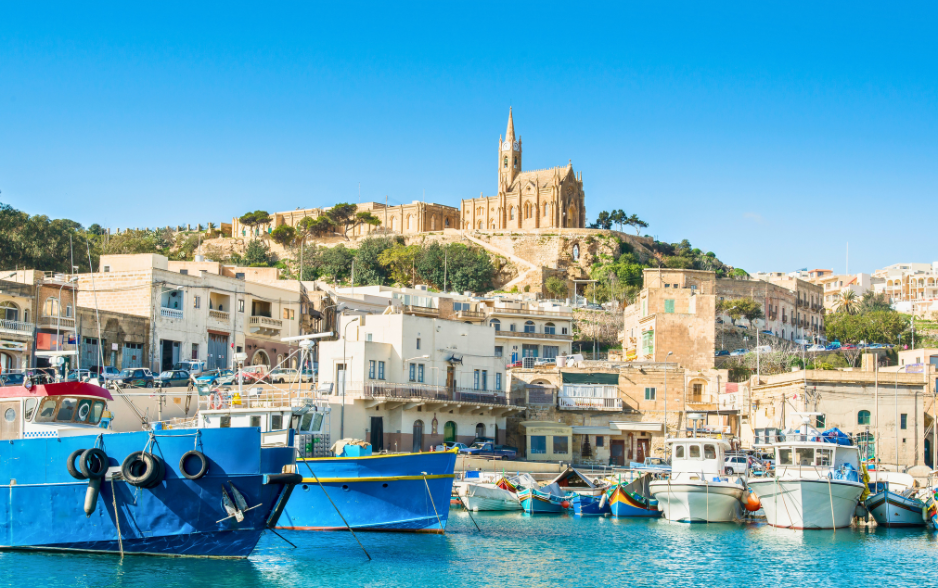
Local festas are a visible part of Malta’s cultural calendar.
Who are the people in Malta?
The term “Maltese people” generally refers to people of Maltese nationality or heritage. “People in Malta” includes everyone living in the country, whatever their citizenship.
Malta’s National Statistics Office (NSO) estimated that 588,254 people lived in Malta and Gozo at the end of 2025. Maltese citizens made up 68.9% of residents and non-Maltese citizens 31.1%. These are figures for residents, not tourists. [Source: Malta NSO, World Population Day 2026]
| Malta and Gozo at the end of 2025 | NSO estimate |
| Total residents | 588,254 |
| Maltese citizens | 68.9% |
| Non-Maltese citizens | 31.1% |
These numbers offer a useful starting point: Malta has a distinct national identity and a substantial community of people who have moved there from elsewhere.
What languages do people in Malta speak?
Maltese and English are Malta’s two official languages. Maltese is the national language and a central part of the country’s cultural identity. English is also widely used, which can help newcomers communicate as they settle in. [Sources: National Council for the Maltese Language; Visit Malta]
The language you hear may vary between homes, schools, workplaces and neighbourhoods. Malta’s government says Maltese is generally the main language of instruction in state schools, while private schools generally teach in English apart from Maltese lessons. [Source: Government of Malta, Education]
You can begin exploring Malta in English. Learning some Maltese can also help you connect with the place beyond the practicalities of daily life. TIM’s guide to Malta’s culture offers more context on the language and its history.
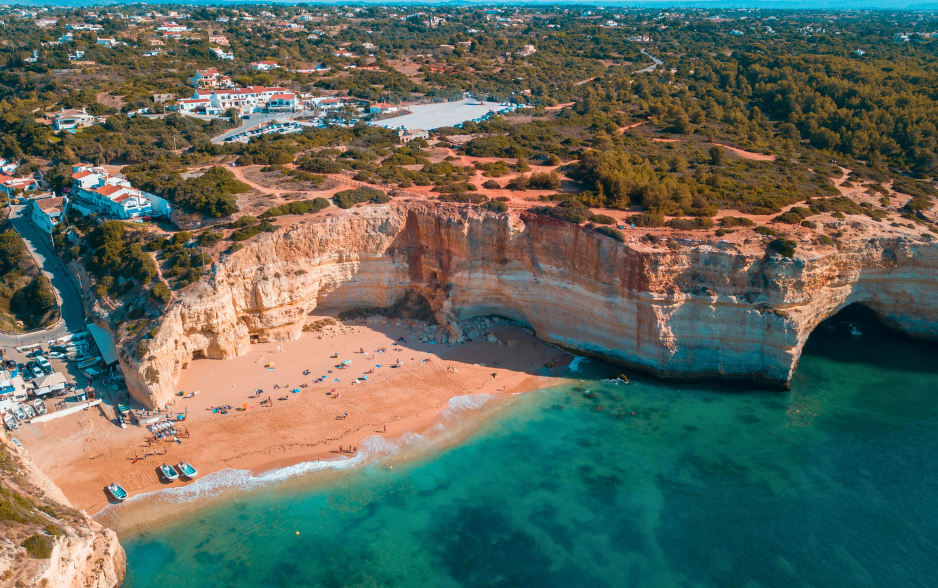
The experience of living in Malta varies between localities.
What is Maltese culture like?
There is no single way to describe the personality of every Maltese person. Languages, food and local celebrations provide a better introduction to the culture than generalisations about how people look or behave.
Town and village festas are among Malta’s best-known traditions. Depending on the locality, they may bring together religious observances, music, decorations and fireworks. Malta’s official tourism site highlights feasts as part of the islands’ cultural life. [Source: Visit Malta, Culture] To learn what these events involve, explore TIM’s article on festivals and traditions in Malta.
Food reflects Malta’s location and history too. Its cuisine includes influences from Sicily and other Mediterranean and North African traditions. Residents can also choose from an international range of food, reflecting the mix of people living on the islands. [Source: Visit Malta, Our Delicacies]
These traditions are worth experiencing, while remembering that daily life differs between families, generations and communities.
Where do people live in Malta?
A short visit to one area cannot show you all of Malta. Population density differs considerably between localities. NSO figures for the end of 2025 show particularly high density in central and harbour areas, including Sliema and Gżira, while other places are much less densely populated. The share of foreign citizens also varies by district. [Source: Malta NSO, World Population Day 2026]
If you are considering a move, explore more than one locality. Think about your commute, schools, nearby services and the pace of life you prefer. The season can affect your experience too; TIM’s article on summer weather in Malta provides a starting point for planning a visit.
Could you call Malta home?
English may make some first steps easier, but settling in involves more than choosing a neighbourhood. You will need to consider your basis for residence, housing, work or business plans, and any schooling needs for your family.
Residence and citizenship are separate statuses. A person can live in Malta without being a Maltese citizen. A Maltese residence permit, including permanent residence, does not automatically provide Maltese nationality or an EU passport.
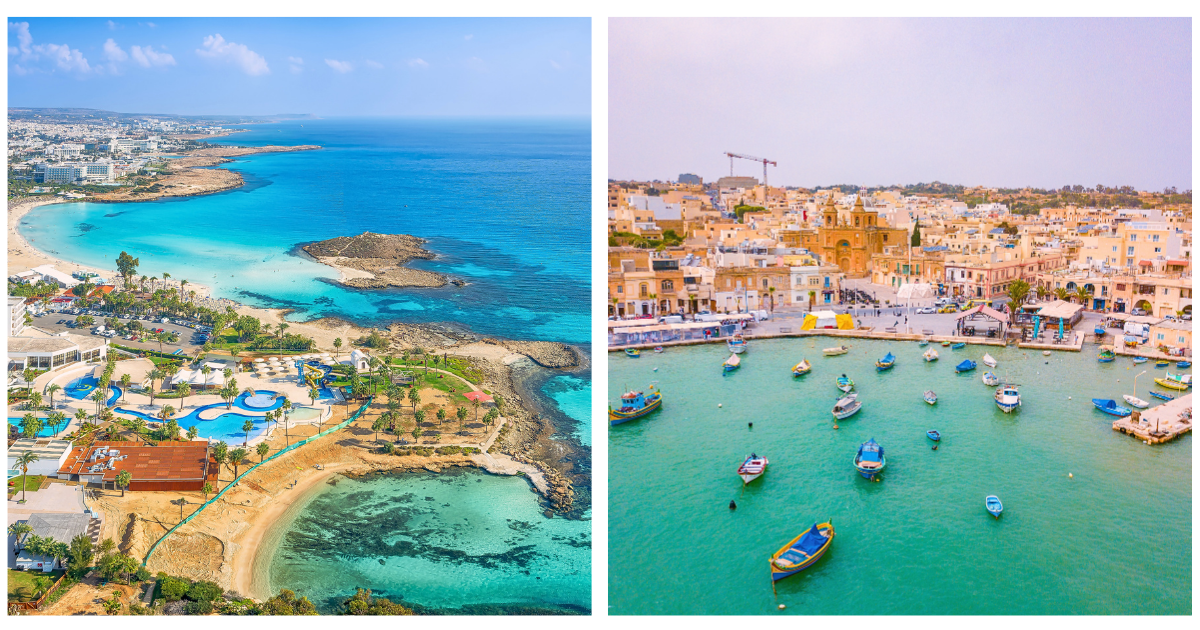
One option to research is the Malta Permanent Residence Programme. Whether it suits you depends on its current eligibility rules and your personal circumstances. If you are comparing European locations, TIM also examines Malta and Cyprus residency. Check current programme terms before making a decision.
Can a resident become Maltese and an EU citizen?
There are several legal routes to Maltese citizenship, including routes connected to a Maltese parent or family relationship and naturalisation based on residence. The applicable requirements depend on the individual.
For an adult seeking naturalisation based on residence, Malta’s Community Malta Agency states that an applicant must have resided in Malta throughout the 12 months immediately before applying and for at least four years in total during the six years before that period. The agency also lists character, language and suitability requirements. Meeting the residence periods does not guarantee citizenship; the decision is discretionary. [Source: Community Malta Agency, Acquisition of Citizenship]
Someone who acquires Maltese nationality also becomes an EU citizen. That EU status comes with Maltese citizenship, not simply with a residence card. [Source: European Commission, Your Rights]
If becoming Maltese is your goal, start by identifying the citizenship route that could apply to you. Check the official conditions and keep accurate records of your residence and identity documents. Malta’s former citizenship-by-investment framework has been repealed, so older articles advertising a direct investment route to an EU passport should not be treated as current guidance. [Source: Community Malta Agency, Malta Citizenship by Merit]
Frequently asked questions
- What are people from Malta called? People from Malta are called Maltese. Depending on the context, the word may refer to nationality, heritage, language or culture.
- Is everyone living in Malta a Maltese citizen? No. At the end of 2025, 31.1% of residents in Malta and Gozo were non-Maltese citizens, according to the NSO.
- Do people in Malta speak English? Yes. English and Maltese are both official languages. Which language you hear most often depends on the setting and the people around you.
- Does Malta permanent residence automatically lead to citizenship? No. Permanent residence and citizenship are different legal statuses. Anyone seeking citizenship must qualify under an applicable route and receive approval.
- Is Maltese the same language as Italian? No. Maltese is a distinct language, although Malta’s history has brought influences from several places into its culture.
Explore your options with a clear starting point
To understand whether you could call Malta home, begin with the life you want to build there: where you would live, how your family would settle and which residence rules apply to you. If citizenship is your eventual goal, check that route on its own terms.
Explore TIM’s Malta Permanent Residence Programme guide for a residence option, and consult the Community Malta Agency for current citizenship requirements. Understanding the difference will help you plan your next step.
Population figures refer to residents at the end of 2025, as published by Malta’s National Statistics Office in July 2026.