


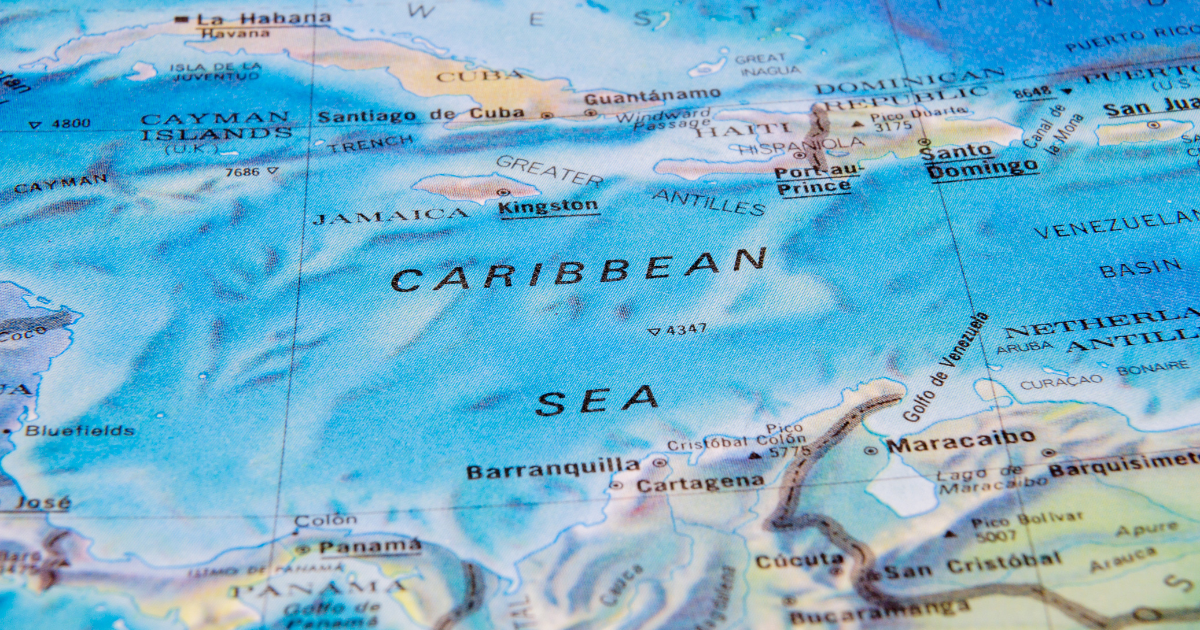
For nearly two decades, the Eastern Caribbean was a prominent hub for accessible second citizenship. Programs operated by Antigua & Barbuda, Dominica, Grenada, St. Kitts & Nevis, and Saint Lucia offered an appealing proposition for High-Net-Worth Individuals (HNWIs): a secure “Plan B” passport within months, streamlined paperwork, and no physical residency requirements, typically starting at a $100,000 threshold.
However, in 2026, that landscape has fundamentally matured. Driven by a regional Memorandum of Agreement (MoA) and evolving regulatory expectations from the European Union and the United States, the Caribbean market has transitioned away from a purely transactional model.
At The Immigration Magazine, we deliver an objective analysis of these structural shifts. For the global elite, understanding this transition is essential: the era of fast-tracked, low-cost options is giving way to a permanent framework defined by institutional transparency and heightened regulatory alignment.
1. The $200,000 Pricing Floor: Standardizing the Market
The most immediate change confronting investors is the establishment of uniform capital requirements. Under the regional MoA, the participating Caribbean CBI nations have implemented a standardized minimum investment floor of $200,000 for contribution pathways, with certain adjustments depending on family structures. Real estate options have similarly moved toward a more uniform baseline, typically ranging between $300,000 and $400,000.
Eliminating Market Inconsistencies
Historically, the market experienced fragmentation due to unofficial financing structures and aggressive price competition between jurisdictions. The 2026 framework seeks to eliminate these inconsistencies through unified pricing policies, supported by an emerging regional coordination mechanism under ECCIRA (Eastern Caribbean Citizenship by Investment Regulatory Authority) harmonization efforts.
Strategic Value Realignment
By adjusting the entry barrier, Caribbean governments are intentionally shifting focus toward value and long-term sustainability. The objective is to enhance the institutional credibility of the programs while ensuring that incoming capital effectively supports national development and infrastructure funds.

2. International Regulatory Alignment: Enhanced Global Compliance
The adjustment of the price tag reflects a broader trend of geopolitical and regulatory alignment. Over the past year, both the EU and the US have updated their security postures regarding investor citizenship programs, encouraging greater transparency in cross-border identity and wealth management.
The EU’s Evolving Framework
Under the revised visa suspension framework, the European Union has increased the possibility of heightened scrutiny or temporary suspension risks for countries operating insufficiently regulated CBI programs. In response, discussions around minimum physical presence and integration requirements have increasingly emerged across the region as part of broader “genuine link” expectations.
The US Technical Reassessment
Similarly, the United States has increased scrutiny and reassessment measures surrounding investor citizenship jurisdictions. To maintain the integrity of their international travel and mobility networks, regional authorities in the Caribbean have expanded international compliance cooperation and information-sharing mechanisms with Western regulatory bodies.
3. The Refined Due Diligence Lifecycle
For an HNWI looking to apply in 2026, the onboarding process involves enhanced institutional verification. Due diligence has become a comprehensive, multi-layered audit of both profile and source of wealth.
- Mandatory Enhanced Screening: Applicants and adult dependents are subject to rigorous verification protocols, including mandatory interviews conducted by independent, specialized international security firms.
- Forensic Source-of-Wealth Audits: Corporate holdings and family wealth structures are evaluated under enhanced compliance standards, requiring clear, historical documentation of capital accumulation.
- Regional Data Integration: Under the unified MoA framework, information-sharing between jurisdictions ensures that application rejections are cross-referenced across the region to maintain the integrity of the entire ecosystem.
4. Strategic Mapping: The 2026 Caribbean Matrix

Feature | Legacy Caribbean CBI | Post-Reform Caribbean CBI (2026) |
Minimum Capital Floor | $100,000 | $200,000 – $250,000 (Standardized) |
Oversight Model | Independent National Units | Emerging Regional Coordination (ECCIRA) |
Vetting Protocol | Local/Regional Background Checks | Expanded International Cooperation & Interviews |
Physical Presence | Zero days required | Emerging discussions on “Genuine Link” integration |
Mobility Security | Variable compliance exposure | Stabilizing through alignment with international standards |
Final Thoughts: The Value of Institutional Legitimacy
The tightening of Caribbean CBI regulations should not be viewed by investors as a structural retreat. On the contrary, for the discerning global citizen, this regulatory evolution preserves the long-term value of the asset.
Programs perceived as lacking institutional credibility face increasing geopolitical and regulatory pressure. By establishing a $200,000 baseline and integrating advanced due diligence standards, the Caribbean jurisdictions are actively protecting the durability of their citizenship frameworks.
At The Immigration Magazine, our strategic advice to HNWIs in 2026 is to approach these programs through the lens of absolute transparency. A premium second citizenship is no longer a simple commodity; it is a validated benchmark of financial credibility and a resilient component of a modern international mobility strategy.
Data & Source References:
- Organization of Eastern Caribbean States (OECS): Memorandum of Agreement (MoA) on Citizenship by Investment Harmonization Updates (2024-2026).
- European Parliament & Council of the EU: Regulatory Briefings on the Visa Suspension Mechanism and Investor Schemes.
- UNCTAD Investment Policy Hub: Frameworks on Sustainable Development and Cross-Border Capital Compliance.
Follow us on social media and website for more insights!