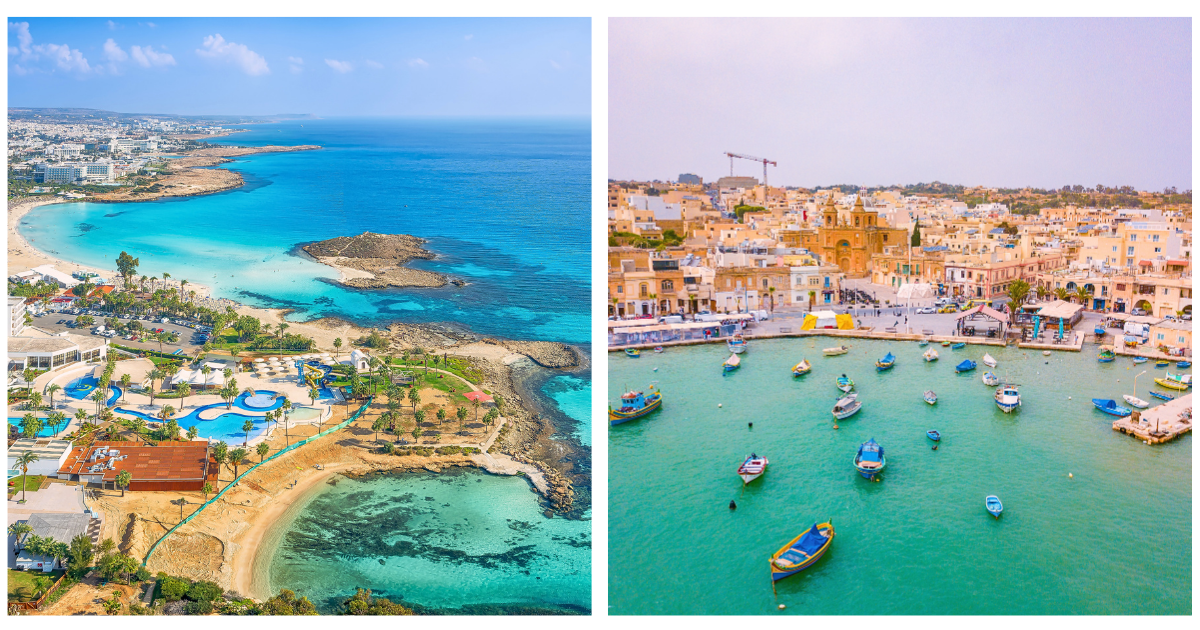



Across Europe, approximately 17 jurisdictions offer structured pathways to acquire residency or citizenship through capital allocation. These mechanisms, spanning European Union member states and neighboring European economies, range from formal Golden Visa programs and private fund investments to specialized entrepreneur permits, innovation visas, and lump-sum tax residency regimes.
In 2026, the European investment migration landscape operates under an evolved regulatory environment. Driven by heightened European Commission oversight, traditional real estate models in several countries have been restructured or phased out, giving rise to fund-based allocations, innovation capital, and targeted regional developments.
Despite these legislative adjustments, European Residency by Investment remains a primary mechanism for global high-net-worth individuals (HNWIs) and family offices seeking border-free Schengen travel, multi-jurisdictional risk mitigation, and long-term family security.
This report provides an institutional analysis of Europe’s active residency by investment options, categorizing the top programs by investment profile to help investors identify the optimal route for their strategic objectives.
1. Key Market Realignments Shaping European Programs
Navigating European residency options requires understanding the regulatory shifts that have redefined program structures:
- The Shift Away from Direct Real Estate: Following the closure of Spain’s new investor filings and Portugal’s elimination of property-led Golden Visa paths, European programs increasingly favor private equity funds, research contributions, and corporate capital.
- Tiered Geographic Pricing in Property Markets: Where real estate pathways remain active (such as Greece), governments have introduced multi-tiered investment thresholds to protect local housing stock while directing capital toward conversion projects or regional zones.
- Enhanced Due Diligence & AML Compliance: Background screening across all active programs involves multi-tiered anti-money laundering (AML) checks and shared European risk databases, ensuring that applicants maintain fully transparent source-of-wealth documentation.
2. Program Comparison by Investor Profile

Selecting the right residency program depends on an investor’s primary objective, whether prioritizing low physical stay rules, property ownership, cost efficiency, or swift family relocation.
Profile A: The Passive Investor Seeking EU Citizenship Potential (Portugal)
For investors prioritizing a pathway toward eventual EU citizenship without relocating their primary physical residence, Portugal’s Golden Visa (ARI) remains a leading choice.
- Investment Model: Minimum €500,000 allocation into qualifying non-real-estate investment funds (such as private equity, venture capital, or expansion funds) or €250,000 in cultural support initiatives.
- Physical Presence: Just 7 days per year (or 14 days per two-year renewal block).
- Key Advantage: Eligible to apply for Portuguese citizenship after 5 years, subject to maintaining the investment and meeting basic language requirements, making it ideal for passive global investors.
Profile B: The Traditional Real Estate Investor (Greece & Cyprus)
For investors seeking tangible real estate assets paired with personal holiday usage or rental income, Greece and Cyprus provide direct property-led pathways.
- Greece Golden Visa: Offers a €250,000 threshold for commercial-to-residential property conversions or historic building restorations, alongside €400,000 and €800,000 tiers for standard residential real estate in prime zones (such as Athens, Thessaloniki, and popular islands). Requires no minimum physical stay to maintain status.
- Cyprus Permanent Residence: Offers immediate permanent residence (rather than a temporary renewable permit) through a €300,000 purchase of new residential real estate, paired with verified annual foreign income requirements.
Profile C: The Long-Term Flexibility & Value Seekers (Hungary)
Reintroduced under the modern Guest Investor framework, Hungary provides an accessible European entry point featuring long permit validity.
- Investment Model: Minimum €250,000 in qualifying real estate fund units or a €1,000,000 public-interest contribution.
- Key Advantage: Grants an initial 10-year residence permit (renewable for an additional 10 years) with flexible physical presence parameters, offering a stable, long-term European foothold.
Profile D: Immediate Permanent Status & Family Inclusion (Malta)
For families seeking an immediate, permanent residency framework rather than a temporary visa subject to frequent renewals, the Malta Permanent Residence Programme (MPRP) provides a structured, highly vetted model.
- Investment Model: A combined capital structure involving a government contribution, a philanthropic donation, and either a residential property lease (starting from approx. €169,000 total cost stack over 5 years) or property purchase (starting from €474,000 total cost stack).
- Key Advantage: Grants permanent residency status from inception and features extensive multi-generational family inclusion (covering spouses, dependent children, parents, and grandparents).
Profile E: Corporate Founders & Innovation Investors (Italy)
For entrepreneurs and corporate leaders looking to deploy capital directly into Europe’s industrial or startup ecosystem, Italy’s Investor Visa provides a flexible corporate pathway.
- Investment Model: €250,000 into innovative Italian startups, €500,000 into limited corporate entities, €1 million in philanthropic initiatives, or €2 million in government bonds.
- Key Advantage: Fast processing times and direct integration into Italy’s commercial market without requiring residential real estate purchases.

3. Comparative Framework: Top Active European Residency Programs
Country | Minimum Investment | Primary Capital Route | Physical Presence Requirement | Key Strategic Distinction |
Portugal | €250,000 / €500,000 | Investment funds / Cultural donation | 7 days per year | 5-year pathway toward EU citizenship without full relocation |
Greece | €250,000 – €800,000 | Direct real estate acquisition | Zero minimum stay | Flexible real estate asset holding with immediate Schengen access |
Hungary | €250,000 | Real estate investment fund units | Flexible / Minimal | 10-year initial permit validity with low entry friction |
Malta | €169,000+ (Lease option) | Capital contribution + property lease/buy | Minimal stay required | Immediate permanent residence covering multi-generational families |
Cyprus | €300,000 | New residential real estate | Visit once every 2 years | Immediate permanent residency in an established Eastern Mediterranean hub |
Italy | €250,000 | Innovative startups or corporate equity | Maintain investment conditions | Direct access to EU commercial markets for business-minded filers |
Conclusion: Aligning Program Selection with Family Objectives
With nearly 17 European nations offering residency or tax-based immigration pathways, there is no single “best” program, only the route that aligns with an investor’s specific balance of capital risk, property preferences, family size, and travel requirements.
For global family offices and HNWIs, acquiring European residency may form part of a broader jurisdictional diversification strategy. Whether seeking the flexible citizenship timeline of Portugal, the tangible property assets of Greece, the 10-year stability of Hungary, or the multi-generational security of Malta, investors who execute applications early with rigorous source-of-funds documentation can effectively secure long-term European mobility and asset protection.
Follow us on social media and website for more insights!