

The Cabinet of Saudi Arabia, led by King Salman bin Abdulaziz, has officially approved the exact geographic zones where non-Saudis can buy and own real estate. This new decision gives a clear map to the Law of Real Estate Ownership by Non-Saudis, which started in January but did not have defined boundaries until now.
Government ministers stated that the new rules will act as a strong catalyst for international companies to expand their businesses in the Kingdom. The new zoning system replaces the old method from the year 2000, which reviewed foreign property buyers slowly on a case-by-case basis.
Where Can Foreigners Buy Real Estate?
Instead of opening entire cities, the government has chosen specific zones located around Saudi Arabia’s biggest mega-projects and developments:
- In Riyadh: Approved areas include Qiddiya, New Murabba, the Sports Boulevard, the Arts District, Diriyah Gate, King Salman Park, Sidra, the King Abdullah Financial District (KAFD), and King Salman International Airport.
- In Jeddah: The zones cover the downtown city center and 55 separate development areas across the region.
- Mega-Projects: Global buyers can also buy property in planned mega-cities like NEOM, Amaala, the Red Sea project, and AlUla.
Special Rules for Makkah and Madinah
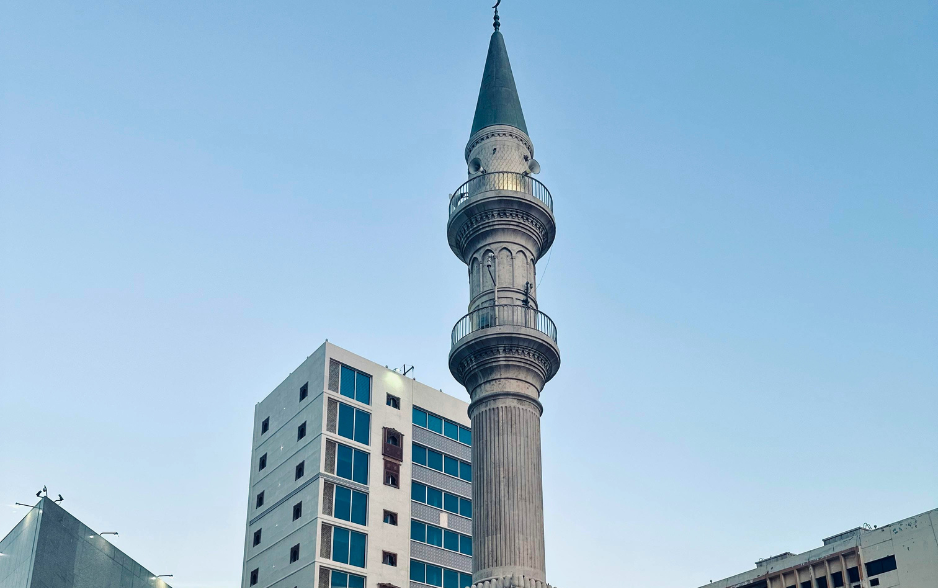
The Muslim Holy Cities of Makkah and Madinah are also included on the list, but with a strict condition: property ownership in these two cities is limited to Muslims only.
Muslim investors from anywhere in the world, alongside licensed Saudi companies, can now buy real estate in approved projects like Abraj Makkah, Jabal Omar, and King Salman Gate in Makkah, as well as Downtown Madinah. Experts note that Muslim buyers view owning property in these holy cities as a great long-term strategy for both lifestyle and wealth preservation.
The Premium Residency Connection
Until now, the main way for a foreigner to own real estate in Saudi Arabia was through the Premium Residency program (the country’s golden visa launched in 2019). This residency program received more than 40,000 applications between January 2024 and July 2025.
“Real estate ownership creates a stronger sense of permanence and commitment, which naturally complements a long-term residency program,” explained Güvenç Ketenci, CEO of the international law firm Ketenci & Ketenci.
While the new property zones might not cause an immediate spike in residency applications, they close an important psychological gap for foreign investors who want a permanent base in the country.
Steady Market Growth
Under the new rules, the government will apply a transfer fee of up to 5% on property sales by non-Saudis, on top of the existing 5% real estate transfer tax.
Experts believe that opening the market in phases is a very smart and measured strategy. It allows regulators to monitor price changes and compliance before opening more areas.
Saudi Arabia’s real estate market is growing fast. The market value is on track to rise from $75 billion in 2025 to $101.6 billion by 2029. With these newly defined zones, global investors finally have a clear legal map to follow.