

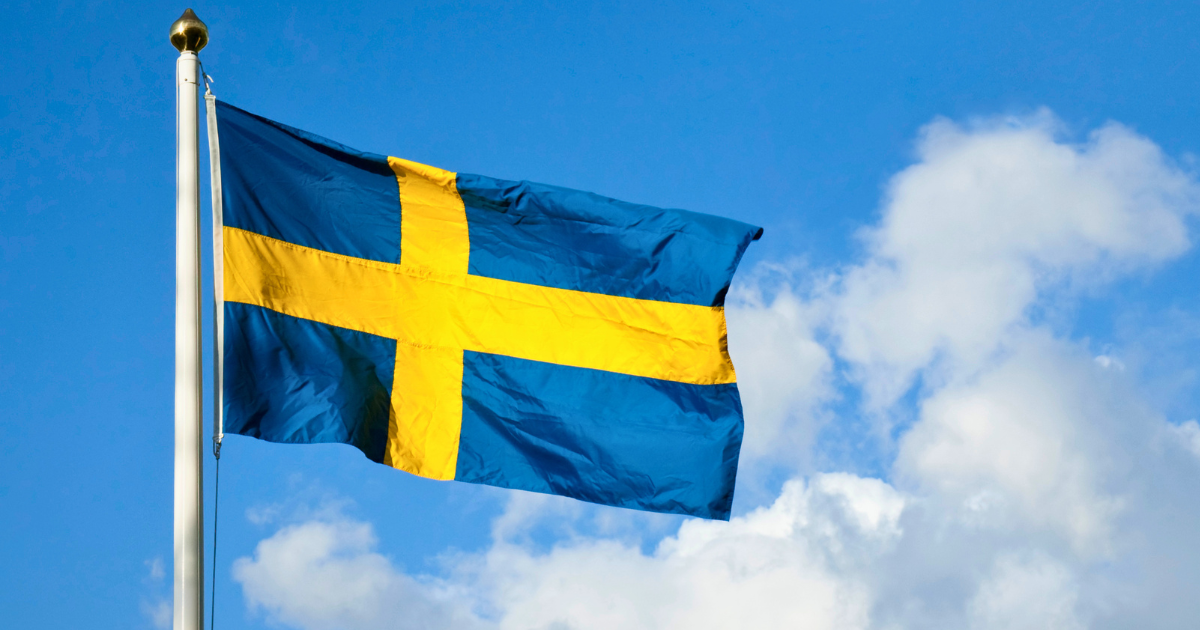
On April 29, 2026, the Swedish Parliament (Riksdag) voted to approve the most significant revision to the country’s naturalization requirements in over half a century. Effective June 6, 2026, the new legislation sharply raises the bar for foreign nationals seeking Swedish passports, shifting the country toward one of the more restrictive citizenship regimes in Europe.
From Five Years to Eight: New Residency Baselines
The core of the reform is the extension of the general residency requirement (hemvist). For most foreign nationals, the waiting period to apply for naturalization will increase from five years to eight years of continuous residence.
Specific categories will face adjusted timelines:
- Refugees and Partners of Swedish Citizens: A reduced requirement of seven years.
- Stateless Persons: Five years.
- Nordic Citizens: Two years.
New Self-Sufficiency and Knowledge Tests
For the first time, Swedish citizenship will be tied to economic and civic criteria. Applicants must now demonstrate self-sufficiency, with a gross annual income floor set at approximately 250,200 SEK (US$27,200) for 2026.
In addition to financial stability, the law introduces:
- Language Proficiency: Mandatory tests in Swedish reading and listening comprehension (fully operational by October 2027).
- Civics Knowledge: A mandatory test on Swedish society and values, expected to begin in August 2026.
- Conduct Requirements: Stricter vetting for applicants, applying to children from the age of 15.

The "Retroactive" Crisis: 100,000 Applicants Affected
The most controversial aspect of the bill is its retroactive application. In Sweden, citizenship applications are evaluated based on the rules in force at the time of the decision, not the time of submission.
Because an opposition amendment for transitional protections failed by a single vote (147-146), more than 100,000 people currently in the backlog now face the new standards. Applicants who filed under the old 5-year rule but have not yet received a decision will likely see their applications rejected if they do not meet the new 8-year residency or income requirements.
A Shift in European Migration Trends
Sweden’s move marks a clear departure from the recent trend of liberalization seen in other EU nations. While countries like Germany have recently shortened their naturalization paths to five years, Sweden is moving in the opposite direction, prioritizing integration and self-sufficiency over speed.
However, the Riksdag did offer a small silver lining for the academic community. On the same day, a parallel law was approved to make it easier for foreign researchers and PhD students to obtain permanent residency, allowing them up to 18 months to find employment after graduation.
As the June 6 effective date approaches, the Swedish Migration Agency (Migrationsverket) is preparing for a wave of revaluations, while grassroots movements look toward legal challenges in the Migration Courts.
Follow us on social media and website for more insights!