

The final rule adds examples involving growers and farm labour contractors. H‑2A workers are excluded from MSPA’s definitions of “migrant agricultural worker” and “seasonal agricultural worker”; the rule does not change H‑2A visa requirements.
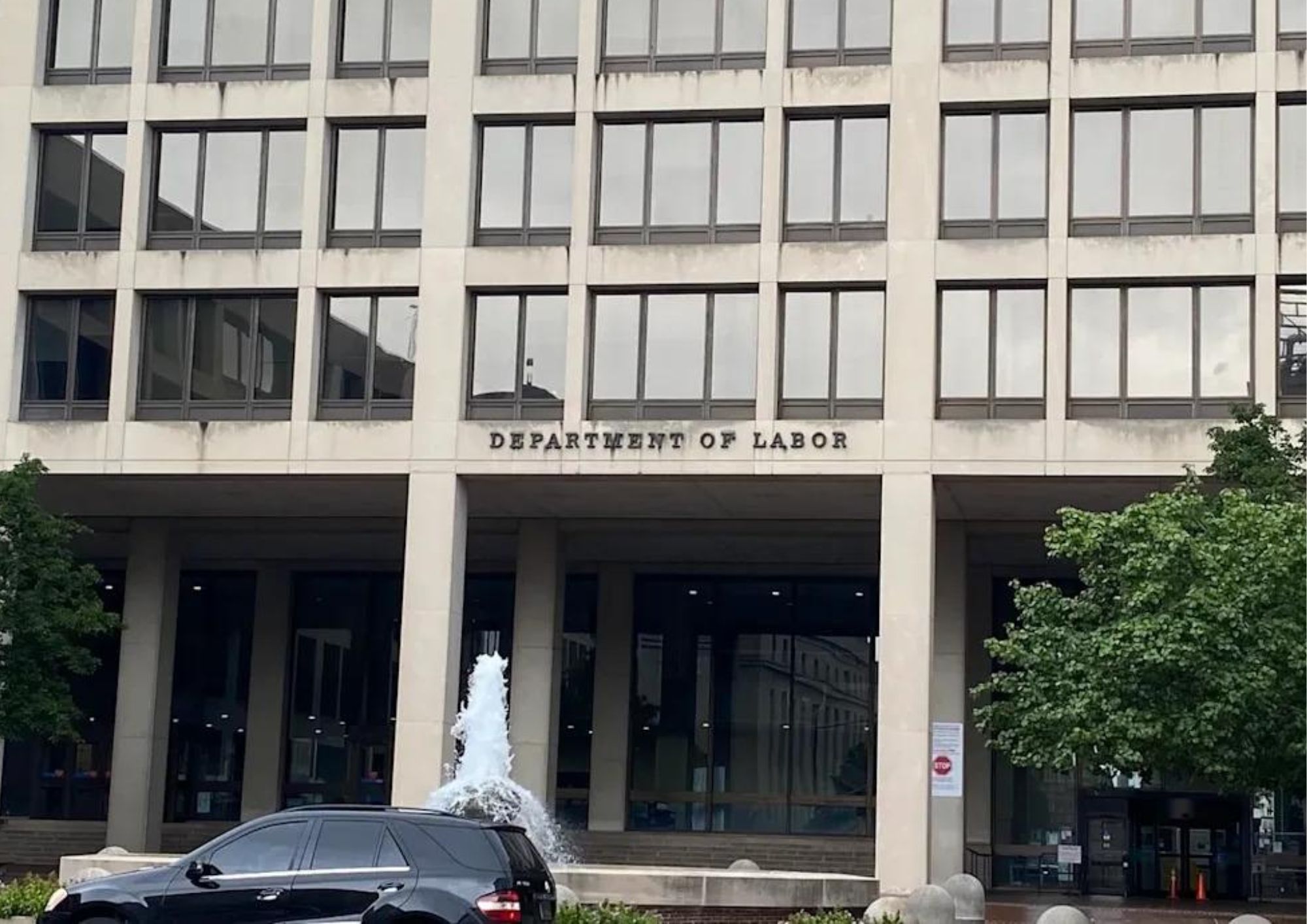
The US Department of Labor (DOL) has finalised changes to its employee-versus-independent-contractor analysis under the Fair Labor Standards Act (FLSA), aligning related guidance under the Migrant and Seasonal Agricultural Worker Protection Act (MSPA) and Family and Medical Leave Act (FMLA). Published in the Federal Register on 23 November, the changes are scheduled to take effect on 22 January 2027.
MSPA adopts the FLSA definition of “employ”, making the revised classification criteria relevant to agricultural employment relationships. The updated framework includes examples illustrating how the criteria apply to growers and farm labour contractors.
The revised test gives two factors greater weight
Replacing the six-factor approach introduced in 2024, the new five-part economic-reality test draws largely on DOL’s 2021 framework. Unlike the 2024 approach, which assigned no predetermined weight to individual factors, the revised test gives greater weight to two considerations when assessing whether a worker is economically dependent on an employer or operates an independent business.
The strongest indicators are the degree of control over the work and opportunities for profit or loss through initiative or investment. Other considerations include the skills required, the duration of the relationship and the worker’s role in an integrated production process. None is decisive on its own, and the assessment is not limited to these criteria.
DOL argues that the changes will make employment classifications clearer and more consistent while reducing misclassification. Whether those objectives are achieved remains uncertain before the regulation takes effect in January 2027.
In practice, how the work is performed carries more weight than contractual descriptions or hypothetical arrangements. Simply signing an independent-contractor agreement does not establish a worker’s legal status.
Grower-contractor relationships are fact-specific
New examples under 29 CFR § 795.115 illustrate how control can influence the classification of farm labour contractors. One describes a grower exercising substantial control over an individual’s work, pointing towards employee status. Another shows the opposite arrangement, indicating independent-contractor status. Neither example establishes a universal outcome; the full circumstances remain relevant.

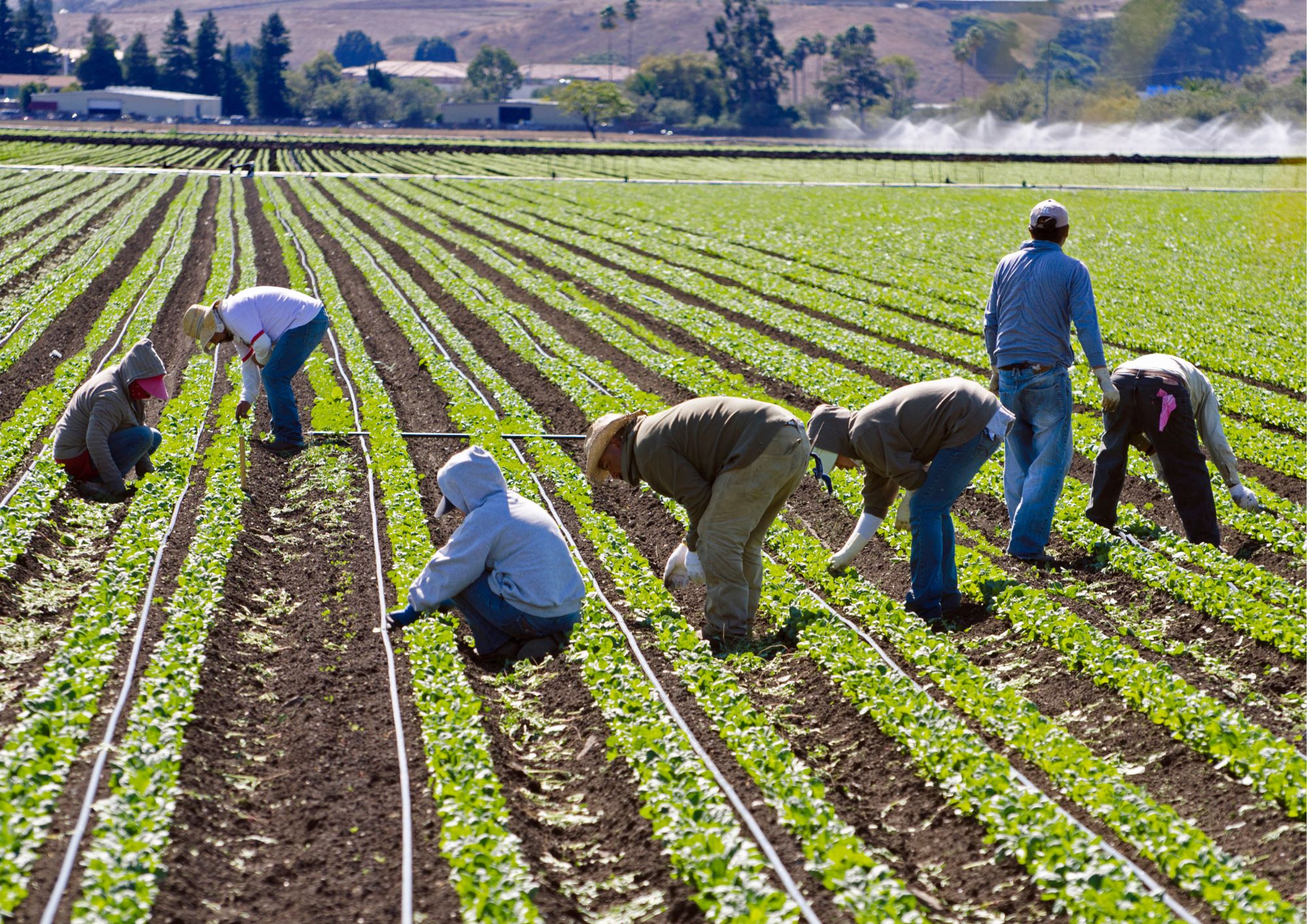
Working arrangements on farms can involve different levels of supervision and control, factors considered under the DOL’s revised worker-classification test.
An existing MSPA provision also addresses the consequences for agricultural crews. If a farm labour contractor is classified as an employee of a grower or agricultural association, crew members working for that employer are deemed its employees. This requirement predates the 2026 changes, which direct DOL to apply the revised criteria when assessing such relationships.
For agricultural businesses, the challenge lies in determining how control and economic dependence operate across multiple parties. The distinction becomes particularly important when contractual arrangements differ from everyday working practices.
H-2A workers fall outside MSPA’s definitions
Federal law excludes temporary nonimmigrant workers authorised under H-2A from MSPA’s definitions of “migrant agricultural worker” and “seasonal agricultural worker”. However, this exclusion does not remove their federal labour protections. FLSA requirements may still apply, subject to the statute’s coverage rules.
For H-2A programme purposes, DOL will continue to assess the status of labour contractors using the general common-law agency test, rather than the FLSA/MSPA economic-reality analysis. The revised regulation does not change visa eligibility, immigration status, work authorisation or sponsorship requirements.
DOL’s rationale and stakeholder concerns
DOL says the revised guidance draws on federal case law and aims to make employment classifications clearer and more consistent. Farmworker Justice, however, warned during consultation that giving greater weight to two factors could lead to agricultural workers being misclassified as independent contractors.
The National Women’s Law Center also opposed the proposal. In an April submission, it argued that the changes could harm low-paid workers, including immigrants who depend on FLSA, FMLA and MSPA protections. Both organisations raised these concerns before the final regulation was published.
DOL received approximately 16,500 comments, including 14,244 submissions from seven organised campaigns supporting the proposal. Those responses accounted for 86.3 per cent of the total but do not represent a reliable measure of wider public opinion.
Western Growers Association outlined the implications for agricultural employers in an article published on 19 November, focusing on the revised classification framework. The central question now is how the new criteria will affect employment determinations in practice once the regulation takes effect in January 2027.
Source: federalregister.gov, uscode.house.gov, dol.gov, nwlc.org, wga.com