


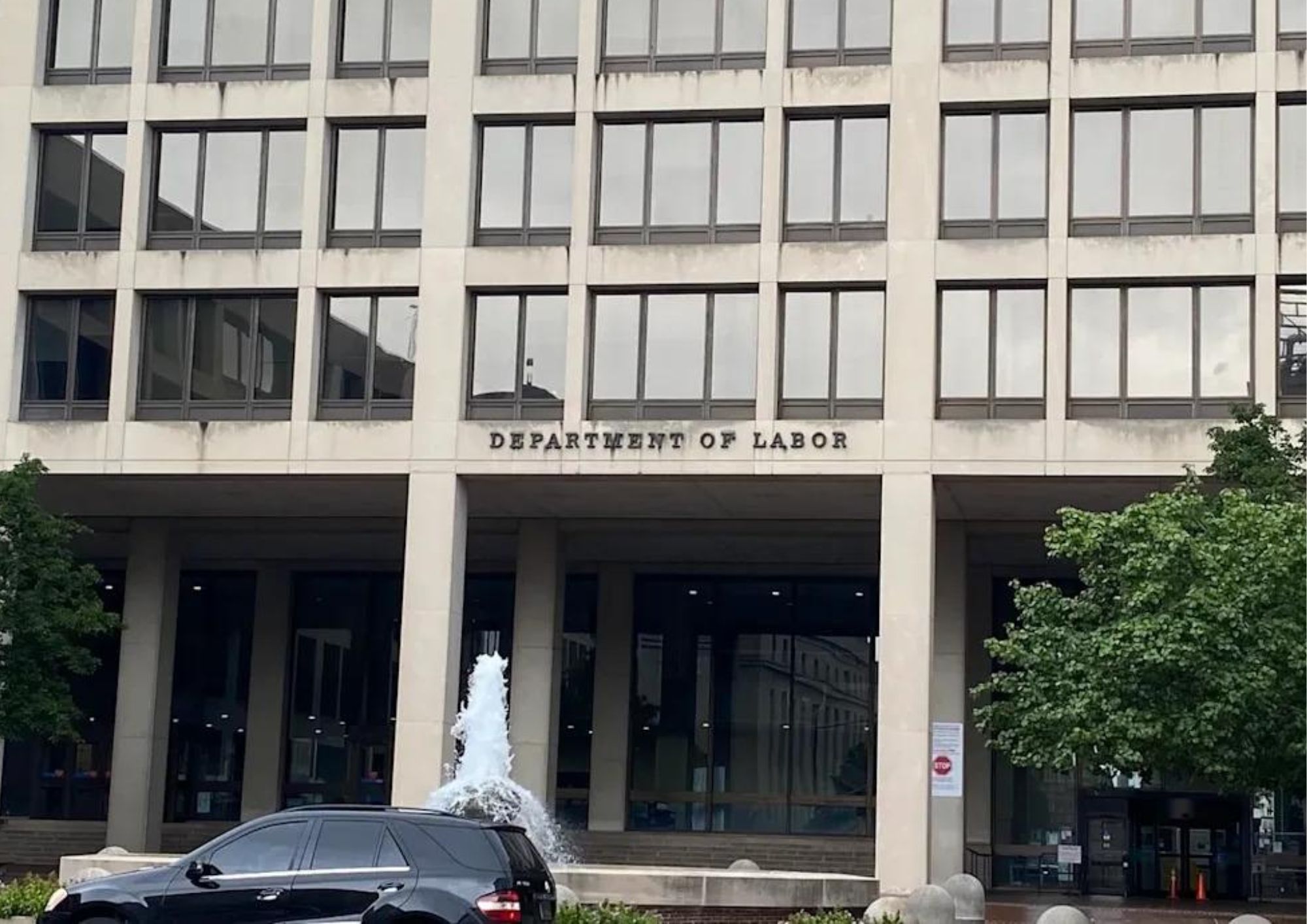
The US Labor Department wants to end Schedule A exemptions for certain foreign healthcare workers. The proposal could introduce additional recruitment requirements, prompting concerns among healthcare representatives about administrative burdens.
The US Department of Labor (DOL) proposed ending Schedule A exemptions on 17 November, a move that would change how employers sponsor professional nurses and physical therapists for permanent residence. Under the draft rule, these employers would need to conduct the standard PERM labor-market test and obtain DOL certification before filing immigrant petitions. The changes have not taken effect.
Nurses and physical therapists would enter the full PERM process
Schedule A Group I covers professional nurses and physical therapists. Employers must currently obtain a prevailing wage determination but can bypass standard PERM recruitment, submitting an uncertified labor certification application directly to US Citizenship and Immigration Services (USCIS). This exemption affects the labor certification stage of employment-based sponsorship, rather than eliminating the need for an employer to sponsor the immigrant petition.
If adopted, the proposal would require employers to advertise vacancies, consider qualified US applicants and complete the standard PERM labor certification process before filing Form I-140 with USCIS. These additional requirements would not eliminate the EB-2 or EB-3 immigrant visa pathways, including the subsequent EB-3 Green Card application process.

The proposed elimination of Schedule A would require employers sponsoring professional nurses and physical therapists to follow standard PERM recruitment procedures.
The proposed elimination also extends to Schedule A Group II, which covers individuals with exceptional ability in the sciences, arts and performing arts. For qualifying positions requiring exceptional ability in the sciences or arts, the separate statutory standard concerning equally qualified US workers would remain applicable. The Department of Homeland Security would continue to assess eligibility under the relevant exceptional-ability provisions.
DOL says it lacks a reliable way to identify shortages
DOL says it lacks a reliable method to determine whether occupations covered by Schedule A continue to face shortages of qualified US workers. An earlier request for public input drew more than 2,000 responses, but the agency found no sufficiently objective or workable approach to maintaining or expanding the list. That assessment does not establish that shortages of nurses or physical therapists have ended.
Based on USCIS administrative data, DOL calculated an average of 23,835 Schedule A Form I-140 petitions annually from fiscal years 2023 to 2025. The figure reflects historical filings, not unique workers or projected future applications.
AHCA/NCAL, which represents long-term care providers, said it plans to comment on the proposal and warned that the additional requirements could increase costs, processing time and administrative work. Caroline Tang, a lawyer at Ogletree Deakins, also told Fierce Healthcare that the change would involve a longer and more expensive labor-market test.
Wider recruitment rules and next steps
Beyond Schedule A, the draft proposes broader recruitment requirements. Specified advertisements would run for at least 90 calendar days, or longer if the employer normally advertises comparable non-PERM positions for longer periods, based on its practices over the preceding 12 months.
The recruitment process would include company websites and job-search platforms, alongside social media where employers customarily use it. At least one job fair, campus recruitment event or educational institution’s placement office would also be required.
Under the proposed rules, advertisements covered by Section 656.17(b)(1)–(4) would need to conclude 30 to 60 calendar days before the expected PERM filing date. Employers would also be required to submit their applications within 30 calendar days of completing all mandatory pre-filing recruitment, along with supporting recruitment records.
DOL is accepting public comments until 19 January 2027. Existing Schedule A and PERM requirements remain in force, and no final rule has been issued. The draft proposes a 60-day delay before a final rule takes effect, followed by 30 additional days for employers to transition to the new filing requirements. No implementation date has been established.
Source: Federal Register, US Department of Labor, AHCA/NCAL, Fierce Healthcare