


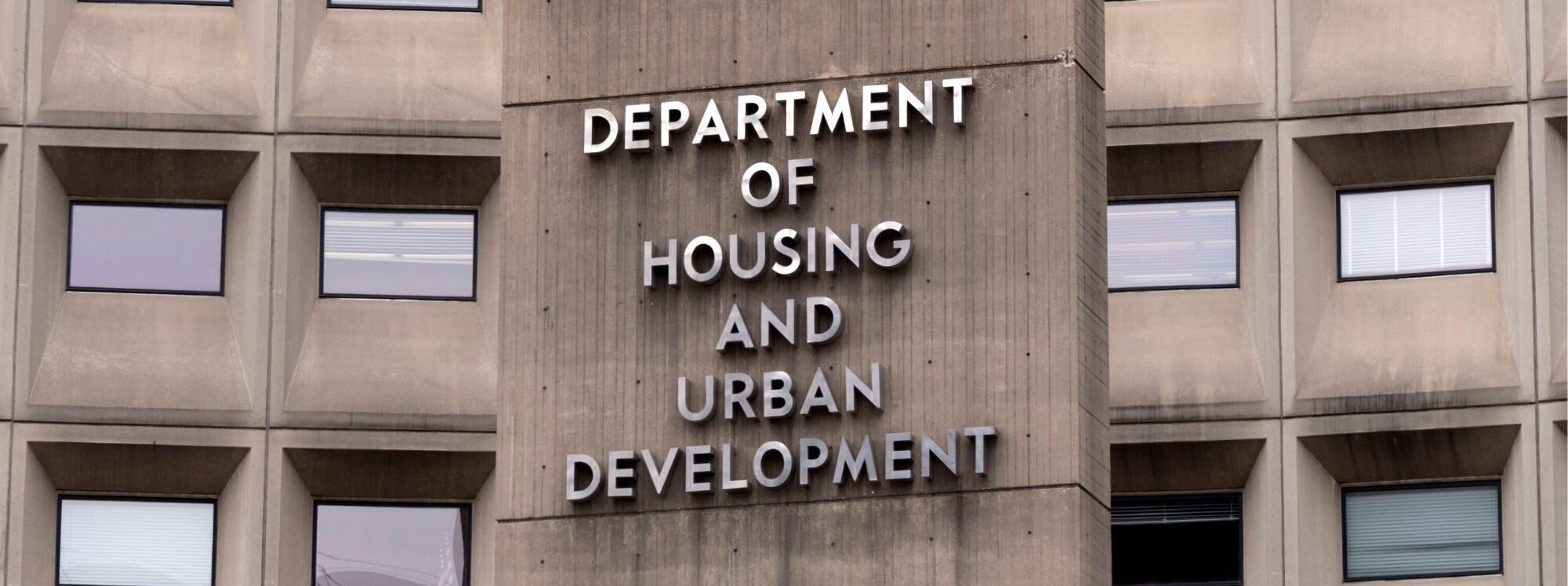
The U.S. housing agency will require citizenship or eligible immigration status to be verified for every member of a household in covered programs, including children. A lawsuit in Los Angeles is already seeking to block the rule before its scheduled December start.
A U.S.-citizen child can qualify for federal housing assistance and still live in a household that loses its rental subsidy. That is the practical consequence of a final rule published by the U.S. Department of Housing and Urban Development (HUD) on November 12. Scheduled to take effect on December 14, 2026, the rule generally ends an arrangement that allows families with different immigration statuses to keep living together in subsidized housing while receiving assistance calculated only for eligible members.
Under the existing policy, a household member can decline to claim eligible status while the family receives a reduced subsidy. HUD is removing that option and requiring status checks for every member of applicant and recipient households. An adult responsible for a child in the home signs the required forms on the child’s behalf. For most mixed-status families, reduced assistance will be available only while verification is pending. Narrow exceptions allow certain long-standing tenants to continue receiving reduced aid, and some households may qualify for a temporary deferral of up to 18 months to find other housing.
The families most exposed
HUD estimates that around 20,000 mixed-status families were receiving assistance as of December 2024. Children accounted for about 65 percent of the eligible people in those households. The agency expects families with children to be more likely to leave assisted housing together than to split up. HUD says the policy will redirect limited subsidies to fully eligible households on waiting lists. The National Low Income Housing Coalition warns that nearly 80,000 people, including about 37,000 children, could be at risk of losing assistance.
That risk is already before a federal court. As the Los Angeles Times reported on November 17, the nonprofit law firm Public Counsel sued on behalf of three Los Angeles public housing residents, arguing that HUD exceeded its authority. One plaintiff, identified as J.L., is a U.S. citizen who has lived in the same public housing apartment for 15 years. She and her brothers are citizens, while her mother and stepfather are undocumented, according to the report. She has considered staying with her younger siblings, but her parents rely on her to help with daily tasks, including interpreting at medical appointments. Her case shows what the loss of a household subsidy can mean for family members who individually qualify for aid.
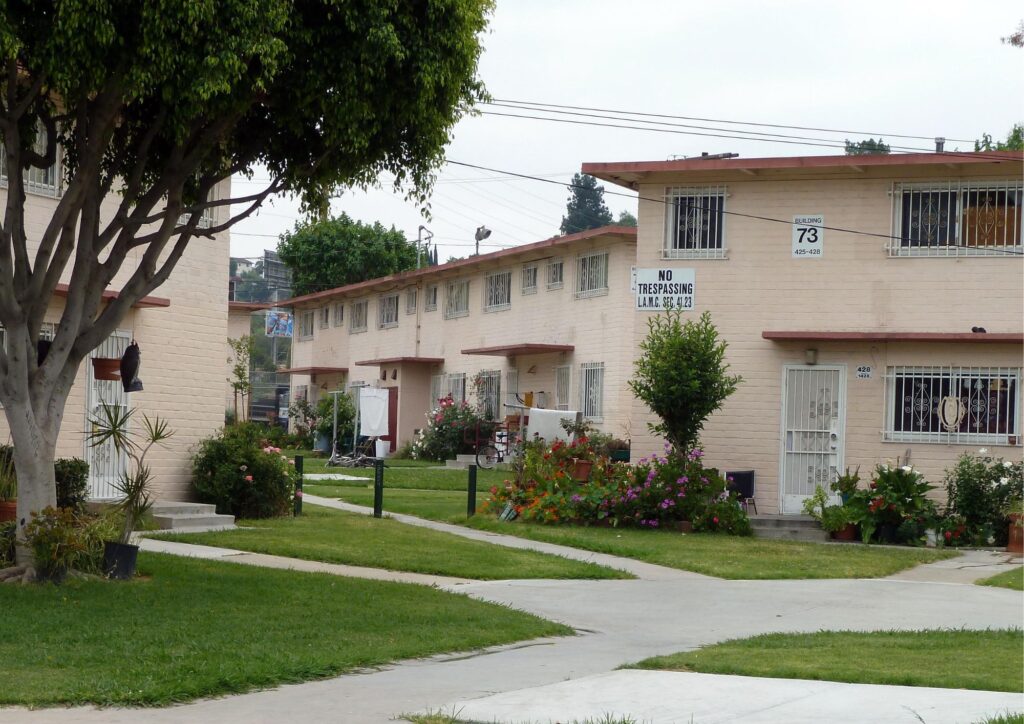
Public housing in Los Angeles, where residents have challenged HUD’s new immigration verification rule.
What tenants and property owners face
The rule covers public housing, Section 8 Housing Choice Vouchers and project-based Section 8 rental assistance. It also reaches certain below-market rentals under Section 236 and designated low-income units in Housing Development Grant projects. A family renting from a private landlord can therefore be affected through its Section 8 voucher.
December 14 is the scheduled effective date. Housing authorities and covered property owners have until January 11, 2027, to notify existing tenants whose required evidence is missing. Mixed-status households in that position generally have 90 days from December 14 to submit it. An extension of up to 60 days is available when the household meets the rule’s conditions. Other existing tenants with missing evidence generally provide it at their next annual or interim eligibility review, while new applicants go through verification as part of the application process. Evidence already on file generally carries forward during continuous assisted occupancy.
A tenant whose status cannot be confirmed can seek correction of government records and present evidence at an informal hearing. The hearing request must be made within 30 days of receiving the applicable denial or termination notice. For current tenants, the rule protects assistance while the informal hearing process is underway. Families receiving a notice should confirm which documents are missing, keep copies of their submissions and seek qualified legal help promptly if they dispute a finding.
For readers planning a U.S. move or investment, the rule governs eligibility for specified housing subsidies. Ordinary home purchases and petitions under the EB-5 Immigrant Investor Program fall outside its scope. The operational question arises when buying a property with federal rental assistance attached to it. Owners generally handle verification in project-based Section 8 properties, while the administering public housing authority handles it for tenant-based Housing Choice Vouchers. Buyers of subsidized rental properties should confirm the program and who is responsible for tenant notices, eligibility checks and recordkeeping.
Source: federalregister.gov, govinfo.gov