

The prime minister said on 16 November that his government was waiting for a formal response from Brussels before disclosing the contents of its written position on the citizenship-by-investment programme.
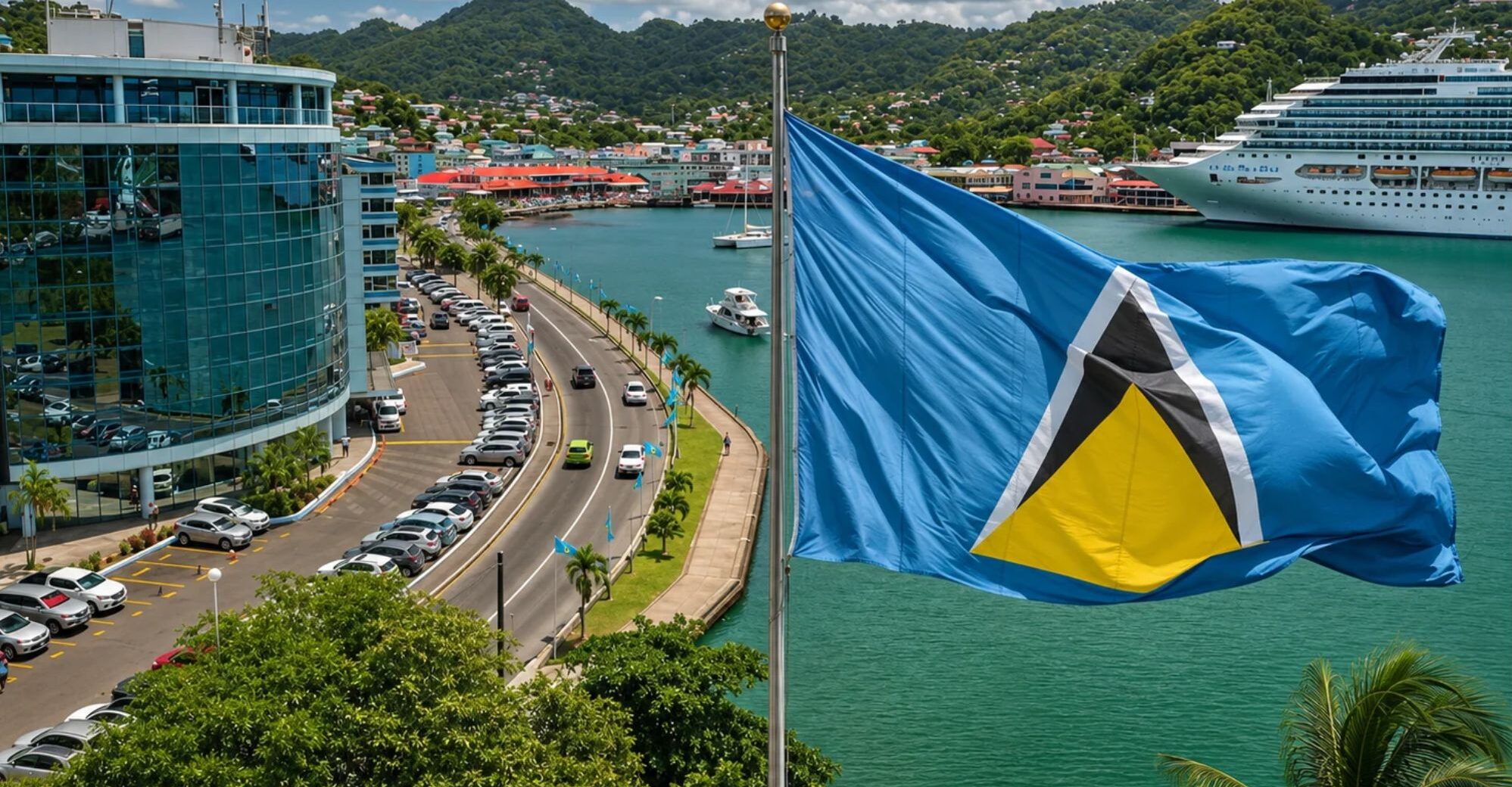
Saint Lucia has sent a written response to the European Union about the future of its citizenship-by-investment (CBI) programme, Prime Minister Philip J. Pierre said. As of 16 November, his government was awaiting a formal reply from Brussels before making the letter’s contents public, according to St. Lucia Times.
At a pre-Cabinet briefing on 9 November, Pierre had said the letter should remain private until the EU acknowledged receipt, citing confidentiality and diplomatic trust. He indicated that either he or Deputy Prime Minister Ernest Hilaire would explain its contents once that acknowledgement arrived.
Saint Lucia says it will decide its own course
Negotiations with European officials were continuing, Pierre said, with CBI still contributing to public finances and employment. He has described Saint Lucia as less dependent on citizenship revenue than the other four Caribbean countries operating similar programmes, while noting that more than 30 people were directly employed through the programme.
The prime minister also defended his country’s right to make its own policy decisions. “We do not run other people’s countries. We run our own country,” he said, as reported by St. Lucia Times.
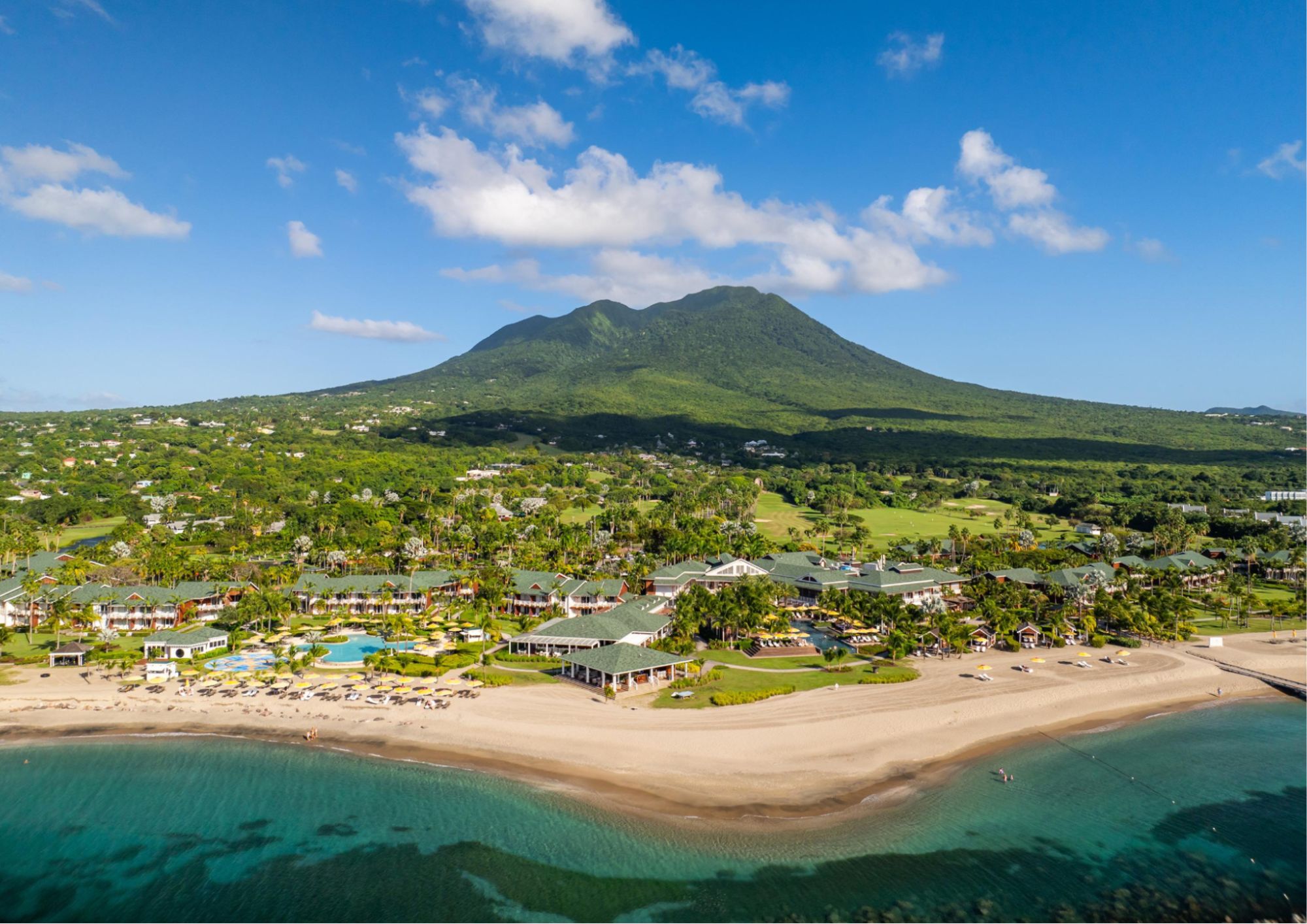
Elsewhere in the region, St Kitts and Nevis announced plans on 13 November to gradually wind down its CBI programme, although the final timetable remained under negotiation with the EU. Pierre declined to speak on behalf of other Caribbean governments.

Saint Lucia has emphasised its right to determine the future of its citizenship-by-investment programme amid talks with the EU.
The 2028 request remains part of a wider negotiation
In a 24 September statement, the Saint Lucia government said the European Commission had requested that Eastern Caribbean countries phase out their CBI programmes by June 2028. The proposed phase-out of Caribbean CBI programmes remains under negotiation, and Saint Lucia has yet to publicly accept the June 2028 timetable.
Pierre also said the deadline for Caribbean governments to communicate their positions had been extended to 12 November. According to IMI Daily, the European Commission had not publicly confirmed that date.
The European Commission has raised security concerns about investor citizenship schemes and their compatibility with visa-free travel to the Schengen area. In a response published by Inter Bellum News on 6 November, the Dutch Ministry of Foreign Affairs said no Commission proposal to suspend visa-free access for any of the five countries had been tabled at that time.
Antigua and Barbuda has taken a more public approach. CANA/CMC reported that its 30 October letter proposed a transition lasting until the end of 2030, subject to an impact assessment and EU support.
Saint Lucia, meanwhile, has yet to reveal whether it would accept the proposed phase-out, seek more time or negotiate different terms.
Source: stluciatimes.com, govt.lc, imidaily.com, interbellumnews.com, cananews.com