

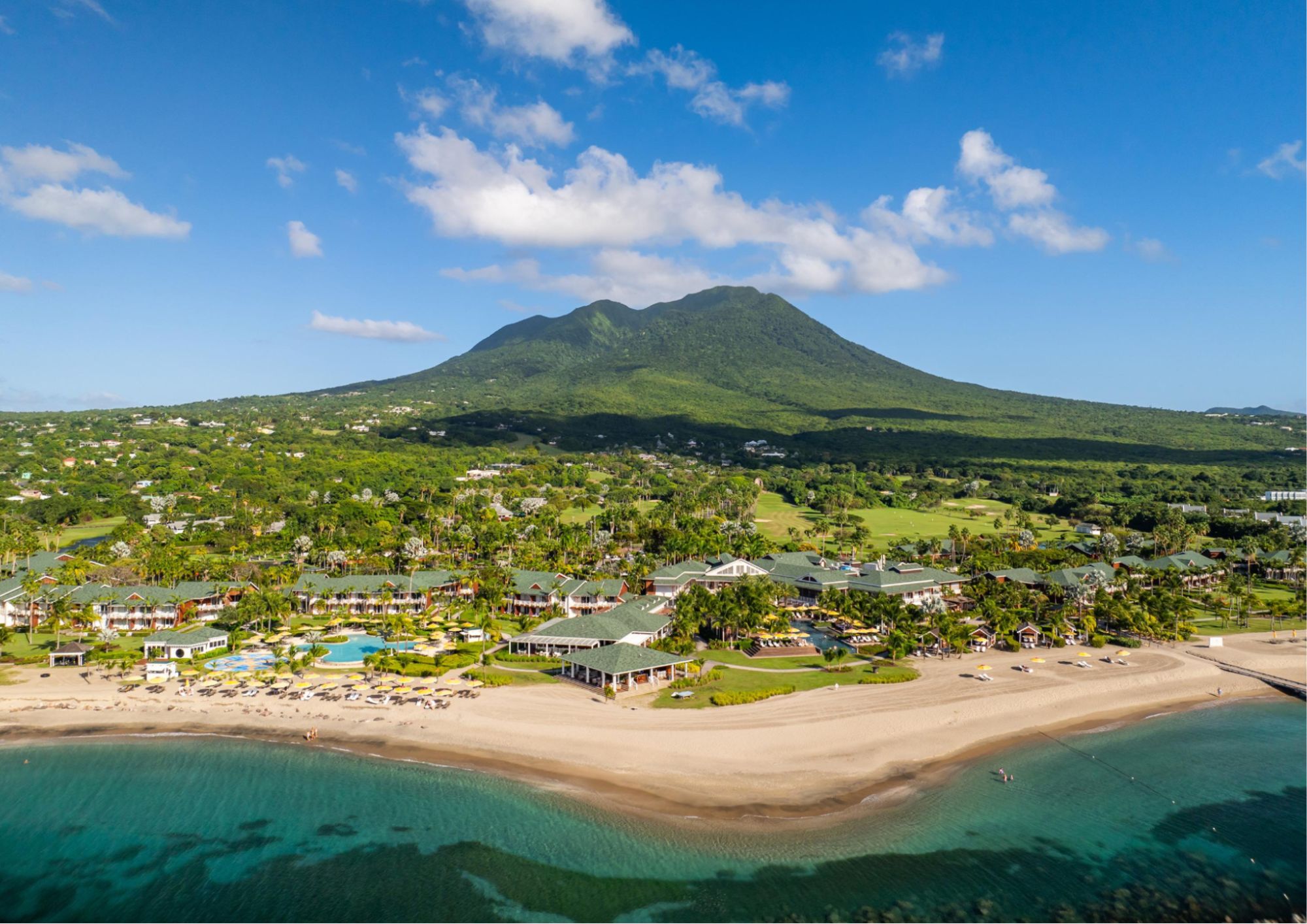
A 12 November meeting explored geothermal energy, an electricity link between Nevis and St Kitts, and stronger digital connectivity. The discussions have since been tied to economic diversification, although no new EU funding package or project timetable has been announced.
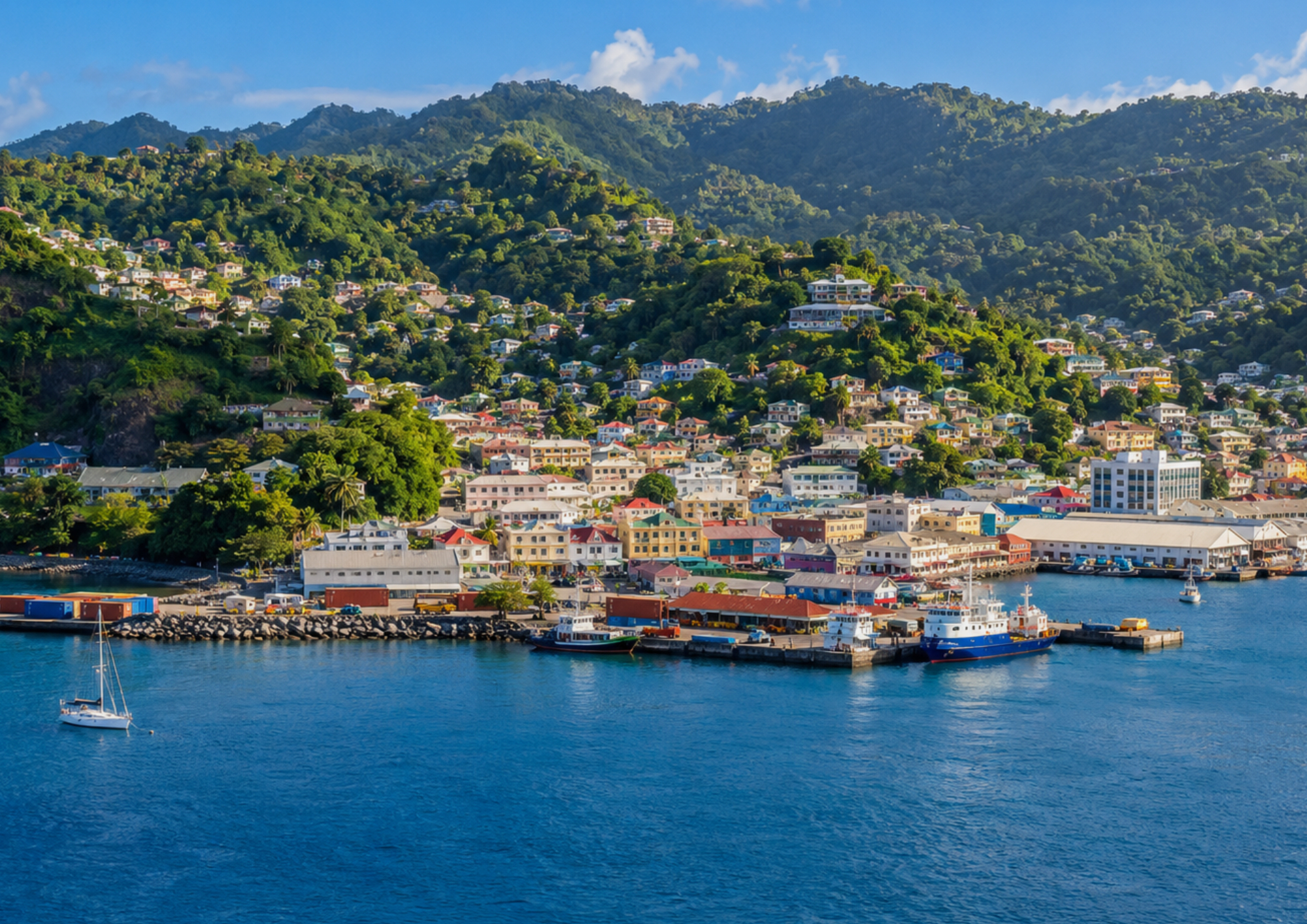
St Kitts and Nevis is exploring energy and digital infrastructure cooperation with the European Commission as it prepares to phase out its citizenship-by-investment (CBI) programme. On 12 November, Prime Minister Terrance Drew met an EU delegation to discuss the Nevis geothermal project, a proposed electricity connection between the islands and the possibility of another undersea fibre-optic cable, according to the St Kitts and Nevis Information Service (SKNIS).
Led by Myriam Ferran, the European Commission’s Deputy Director-General for International Partnerships, the delegation examined potential cooperation under the EU’s Global Gateway strategy. No signed agreement or funding commitment emerged from the meeting.
The discussions preceded Drew’s 13 November announcement of plans to gradually wind down CBI. The move came against the backdrop of EU pressure to phase out Caribbean CBI programmes. Three days later, the Prime Minister’s Office linked the infrastructure proposals to efforts to diversify the economy and reduce dependence on citizenship-related income.
For prospective investors, the Citizenship Unit confirmed on 16 November that the programme remained open and fully operational. Previously submitted applications would continue to be processed under normal procedures, while new submissions were still being accepted. A final deadline for receiving applications had yet to be announced.
The transition will not involve lower investment thresholds or relaxed due-diligence requirements. The Unit also clarified that the status and rights of those who already lawfully hold St Kitts and Nevis citizenship remain unchanged.
The transition carries fiscal stakes
The planned shift comes amid mounting pressure on public finances. According to the International Monetary Fund (IMF), CBI fees fell to 6% of GDP in 2025, while the fiscal deficit reached 11.7% of GDP. The Fund expects persistently low receipts from the programme to keep deficits elevated in 2026 and over the medium term.
These figures illustrate the fiscal challenges surrounding economic diversification, particularly as the country seeks to develop alternative sources of growth.
The proposed phase-out has also faced opposition. In an interview published by The Guardian on 17 November, Nevis Premier Mark Brantley said he did not support ending CBI and had yet to see corresponding EU proposals to assist the development of other industries. His remarks concerned the wider policy decision rather than the 12 November meeting itself.
Nevis geothermal project still has no confirmed drilling date
Work on the Nevis geothermal project remains at a preparatory stage. In a 10 November update, the Nevis Island Administration reported progress on civil works at the Hamilton site ahead of drilling. Although the contractor’s rig was ready for deployment and equipment containers had begun arriving, Brantley could not confirm a start date. Preparations must also meet independent engineering and environmental requirements.
Drew has outlined plans for six geothermal wells and a power plant. A proposed inter-island connection would allow electricity generated in Nevis to reach homes and businesses on St Kitts.
Potential financial backing is still being explored. In October, the Nevis Island Administration reported that EU officials had expressed willingness to provide technical expertise and consider support through concessional loans and investment grants.
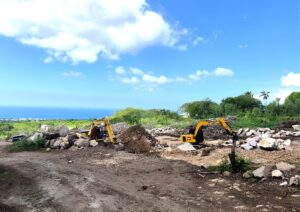
Civil works at the Hamilton geothermal site on Nevis are progressing ahead of drilling.
A further update on 10 November indicated that the EU was examining assistance for independent engineering oversight and electricity transmission upgrades. Meanwhile, the World Bank was considering financing the connection between the two islands. Neither development amounted to a confirmed funding commitment, and the subsequent EU meeting announced no new financing agreement, project cost or implementation timetable.
The infrastructure proposals form part of the government’s broader effort to reduce its dependence on CBI. However, their eventual economic contribution remains uncertain, and the available evidence does not establish whether they could offset the programme’s declining revenue.
Source: sknis.gov.kn, ciu.gov.kn, imf.org, nia.gov.kn, theguardian.com