


The European Commission has officially written to the five Eastern Caribbean nations operating citizenship by investment programs, requesting that they completely phase out their programs by June 1, 2028.
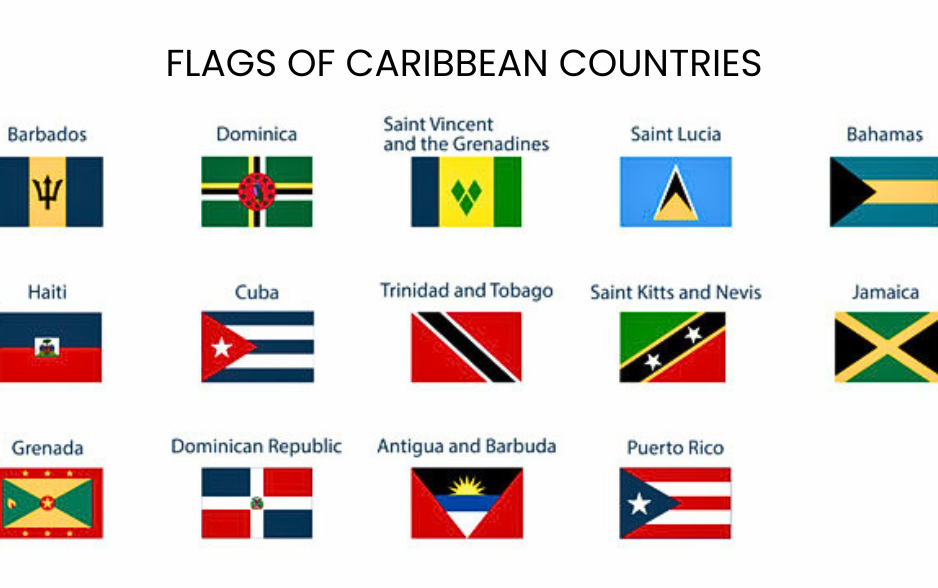
According to officials in Antigua and Barbuda, the formal letter was dated June 25, 2026, and signed by Magnus Brunner, the European Commissioner for Internal Affairs and Migration. The request applies to all five Caribbean CBI nations: Antigua and Barbuda, Dominica, Grenada, Saint Kitts and Nevis, and Saint Lucia. If these countries refuse to end their programs, they could lose their visa-free access to the European Schengen Area.
A 24-Month Transition and Strict Interim Rules
The EU letter offers a 24-month transition period for Caribbean governments to systematically wind down their Caribbean CBI programs. However, Brussels is also demanding strict interim security upgrades before the final closure:
- Excluding Sanctioned Applicants: Caribbean nations must completely block all applicants who are subject to EU sanctions.
- September 2026 Deadline: These enhanced due diligence checks and safeguards must be fully implemented by September 2026.
This bold escalation shows that the European Union is no longer just looking to reform Caribbean passports. Instead, Brussels now wants their complete discontinuation.
Why Has the EU Taken a Harder Stance?
The EU’s position became much stronger after major updates to the EU Visa Suspension Mechanism took effect at the end of 2025.
Under these new laws, the mere operation of an investor citizenship program by a visa-exempt country can be used as a direct reason to suspend visa-free travel to Europe. Previously, the EU had to find specific security flaws in a country’s program before punishing it.
European officials argue that selling passports creates structural security, migration, and public policy risks for Europe. This is because these programs grant European access to wealthy individuals without requiring a genuine connection between the applicants and the Caribbean island.
Caribbean Governments Defend Their Economies
Despite the heavy pressure from Brussels, Caribbean governments have shown no signs that they are ready to destroy their investment migration industries.
Prime Minister Gaston Browne of Antigua and Barbuda reiterated that CBI revenue is a critical source of non-tax government money. This income is vital for local economies, funding public infrastructure, healthcare, schools, and recovery efforts after natural disasters.
Officials argue that their programs already operate under the world’s most comprehensive background checks. Over the past few years, the five nations have introduced higher investment minimums, multi-layer due diligence, and a shared regional regulatory framework to address Europe’s safety concerns.
A Defining Shift in Global Migration
Many experts believe this letter is not the final word, but rather the start of a difficult diplomatic battle. Because the EU gave a two-year transition period, there is still time for both sides to negotiate a compromise.
However, the global trend is clear: citizenship-by-investment programs are facing unprecedented global pressure. As a result, many international investors are shifting their focus toward Residency by Investment (RBI) programs. These residency tracks are often built on more stable legal rules and meet the strict security standards of developed nations.