


In today’s interconnected global economy, capital is no longer a static asset; it is a fluid force that moves across borders, industries, and markets. For the sophisticated investor looking beyond domestic horizons, one concept stands at the heart of international expansion: Foreign Direct Investment (FDI).
While the term may appear technical, the reality behind it is a powerful strategic tool. Understanding FDI is essential for any investor seeking to restructure assets, access high-growth markets, and secure long-term global positioning.
Defining FDI: More Than Just Capital
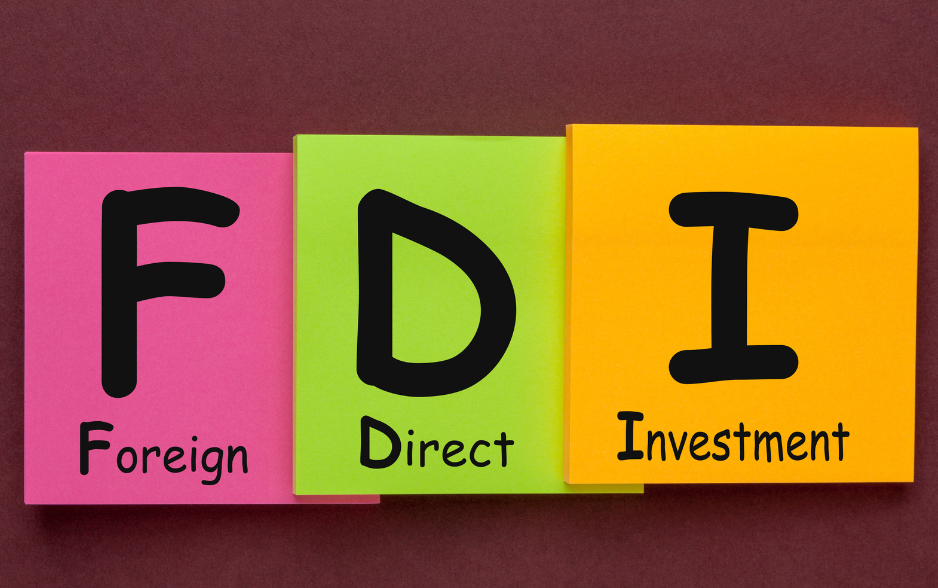
At its core, Foreign Direct Investment (FDI) refers to an investment made by an individual or a corporation into a business entity located in another country, with the intent of establishing a lasting interest and a significant degree of management control.
This is the defining characteristic that separates FDI from more passive financial movements. Instead of merely holding an interest in a foreign asset, the investor becomes an active participant in the business’s lifecycle. Common examples of FDI in practice include a multinational company establishing a regional headquarters abroad or a private investor participating in a large-scale real estate development project.
FDI vs. Portfolio Investment: Ownership vs. Exposure
To navigate the world of international finance, one must distinguish FDI from Foreign Portfolio Investment (FPI).
- Portfolio Investment typically involves the purchase of financial assets, such as stocks, bonds, or mutual funds, without the investor seeking direct influence over the company’s operations. It is often driven by short-term gains and market liquidity.
- FDI, by contrast, implies a “hands-on” engagement. The investor is not only providing capital but also contributing expertise, technology, and strategic direction.
While FDI involves a higher level of complexity and risk, it offers unparalleled control and the potential for sustainable, long-term returns that passive portfolios cannot match.
The Strategic Value for Global Investors
For a global citizen, the decision to engage in FDI is rarely about immediate financial returns alone. It is primarily about Access.
Direct investment allows individuals and companies to enter emerging markets, establish a physical presence, and reduce exposure to a single economy. In a volatile geopolitical environment, FDI serves as a hedge, allowing investors to diversify their geographic footprint. It provides a unique opportunity to participate in specialized sectors, such as high-tech infrastructure or renewable energy, that may be underdeveloped in their home countries.
Why Governments Compete for Your Investment
From a governmental perspective, international capital is a vital driver of national development. When FDI enters a country, it brings a “multiplier effect”:
- Knowledge Transfer: Introduction of advanced business practices and new technologies.
- Job Creation: Stimulating the local labor market and supporting specialized training.
- Infrastructure Growth: Financing the physical and digital frameworks of the future.
Consequently, many nations actively design policies to attract foreign high-net-worth individuals. These incentives often range from generous tax holidays and simplified regulations to structured Residency-by-Investment (RBI) pathways.

The Convergence of FDI and Global Mobility
In 2026, the link between FDI and global mobility has become inseparable. We have entered the era of Investment Migration, where capital serves as a bridge to residency and, ultimately, citizenship.
In many jurisdictions, a qualifying foreign direct investment, whether in a commercial enterprise or strategic real estate, grants the investor the right to reside in the host country. This connection reflects a fundamental shift in investor psychology: capital is no longer just about where to invest, but also about where to belong, work, and secure a future for the next generation.
Strategic Evolution in 2026
The role of FDI has reached a new level of sophistication. Where investors once focused primarily on arbitrage and labor costs, the conversation today is about Stability and Jurisdiction.
Modern FDI strategies are now integrated into a wider framework that considers:
- Economic Substance: Ensuring investments meet the real-world operational requirements of global tax standards.
- Asset Protection: Utilizing stable legal systems to shield wealth from regional volatility.
- Connectivity: Positioning businesses in hubs that offer the best global travel and trade links.
Final Thoughts
Foreign Direct Investment remains the foundational pillar of international wealth management. It offers far more than a financial entry point; it provides a platform for influence, a tool for geographic diversification, and a gateway to global mobility.
For those looking to build a legacy beyond borders, understanding FDI is not merely an option, it is the first step toward becoming a truly global citizen.
Follow us on social media and website for more insights!