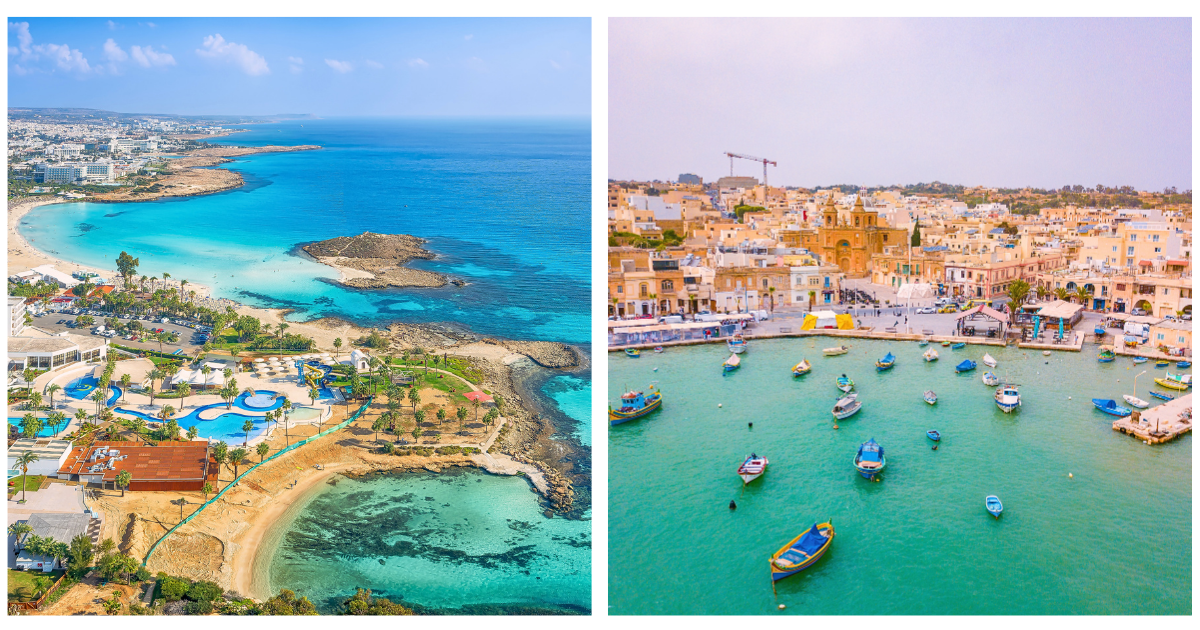


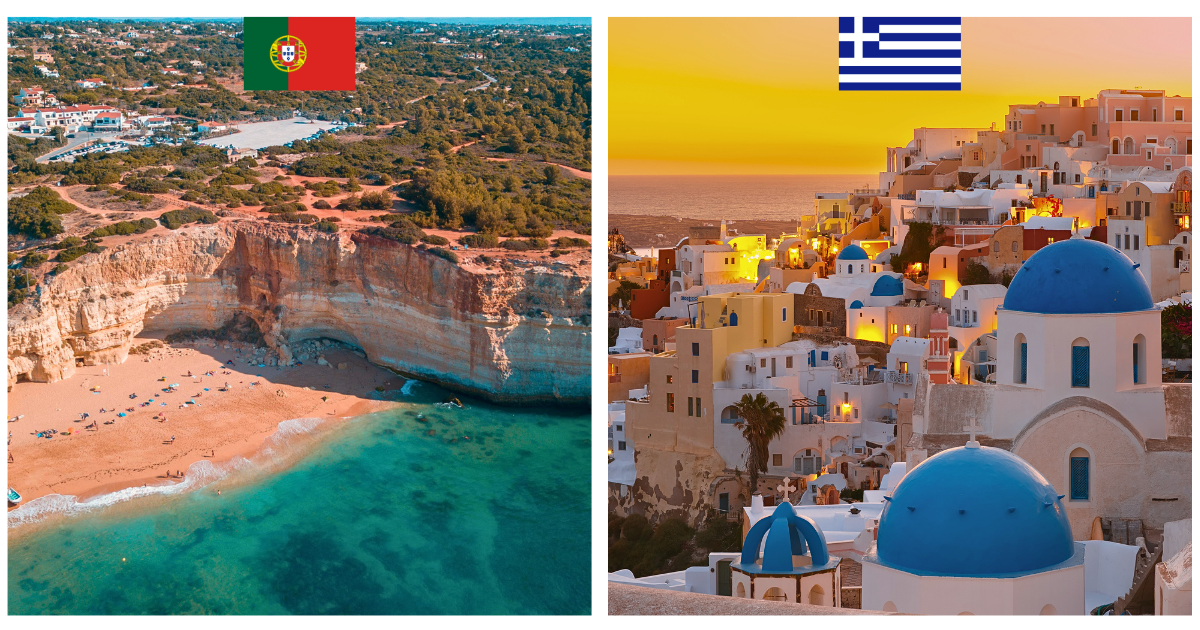
European residency-by-investment has changed significantly in recent years. Portugal has removed real estate from its Golden Visa qualifying options, while Greece continues to use property investment as a central part of its program.
For international investors, this creates two very different strategies: €500,000 into a qualifying investment fund in Portugal or real estate investment in Greece, generally at €400,000 or €800,000, with a €250,000 route available for certain qualifying properties.
Both can provide European residency and Schengen mobility, but the underlying investment, liquidity, risk and long-term residency objectives are very different.
So how should investors compare them?
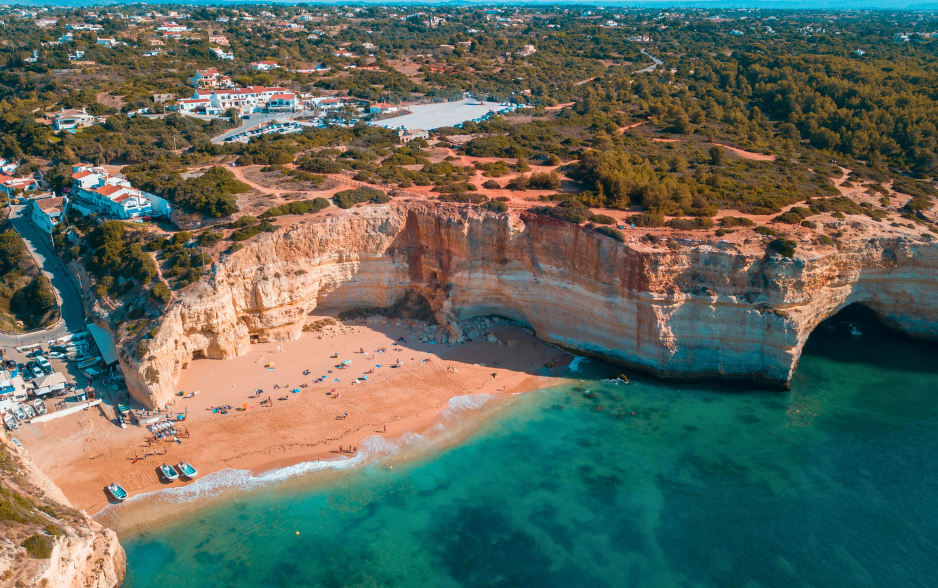
1. Portugal: A Fund-Based Golden Visa Strategy
Portugal’s Golden Visa, officially known as the Residence Permit for Investment Activity (ARI), no longer accepts real estate purchases as qualifying investments.
One of the principal remaining routes is an investment of at least €500,000 in qualifying investment fund or venture capital fund units under Portuguese law.
For investors, the key advantage is simplicity. There is no property to maintain, tenant relationship to manage or real estate transaction to complete. Instead, capital is professionally managed according to the fund’s investment strategy.
However, this also introduces a different risk profile.
Returns depend on the performance of the underlying portfolio and the competence of the fund manager. Many private equity and venture capital funds also have relatively long investment horizons, meaning investors should be comfortable with limited liquidity.
Portugal therefore tends to suit investors who prefer a professionally managed and relatively passive investment structure rather than direct ownership of physical property.
2. Greece: Residency Through Real Estate
Greece takes a fundamentally different approach.
Its Golden Visa remains strongly connected to real estate, although investment thresholds now vary according to the location and type of property.
The main thresholds include:
- €800,000 in designated high-demand areas, including Attica, Thessaloniki, Mykonos and Santorini, as well as certain larger islands.
- €400,000 in other qualifying areas.
- €250,000 for specific categories, including certain commercial-to-residential conversions and restoration of listed buildings, subject to program requirements.
This gives investors direct ownership of a tangible asset that may generate rental income and potentially appreciate over time.
However, property ownership also brings transaction costs, taxes, maintenance and management responsibilities. Investors must additionally consider local restrictions affecting how certain Golden Visa properties may be used.
Unlike a fund investment, the performance of Greek real estate depends heavily on location, acquisition price, property quality and local demand.
3. Comparing Investment Risk and Liquidity
The most important distinction between the two programs is not simply the minimum investment. It is what the investor actually owns.
– Portugal: Financial Asset Risk
A Portuguese qualifying fund provides exposure to a professionally managed portfolio, which may include private equity, growth companies or other eligible investments depending on the fund.
The potential advantage is diversification and professional management.
The trade-off is liquidity. Private funds commonly operate over multi-year investment periods, and investors may have limited ability to exit before the fund reaches maturity.
Fund selection therefore requires careful due diligence on the manager, investment mandate, fee structure, track record and exit strategy.
– Greece: Property Market Risk
Greek Golden Visa investors own physical real estate directly.
This can provide greater control over the underlying asset and potential rental income. Property may also be sold on the open market, although market conditions will determine how quickly and at what price an investor can exit.
The trade-off is higher ownership friction. Acquisition taxes and fees, maintenance, insurance and property management can reduce overall returns.
Importantly, investors generally need to maintain a qualifying investment to preserve their Golden Visa status.
4. Residency and Citizenship: A Major Strategic Difference
Financial return is only one part of the comparison. For many families, the long-term immigration outcome may be even more important.
Portugal
Portugal has historically been attractive because Golden Visa holders can maintain residence with relatively limited physical presence compared with conventional residence permits.
The program can also provide a route toward permanent residence or citizenship once the relevant legal requirements are satisfied.
However, investors should avoid treating citizenship after five years as automatic. Naturalization depends on the nationality law and eligibility requirements applicable to the individual, including language and other statutory conditions.
Greece
Greece provides an especially flexible option for investors who primarily want residency and Schengen mobility because the Golden Visa itself does not require the investor to relocate permanently to Greece.
The distinction becomes important for citizenship.
Holding a Golden Visa for several years does not by itself create an automatic pathway to Greek citizenship. Naturalization generally requires genuine residence in Greece and satisfaction of separate citizenship requirements, including integration and language-related criteria.
Therefore, Portugal may be more relevant to investors whose long-term objective includes potential citizenship, while Greece can be particularly attractive to those prioritizing property ownership and low-stay residency.

5. Portugal vs. Greece at a Glance
Portugal Funds | Greece Real Estate | |
Primary Route | Qualifying investment fund | Real estate |
Typical Minimum | €500,000 | €400,000 / €800,000 |
Special Route | Other qualifying ARI options available | €250,000 for specific qualifying properties |
Asset Type | Financial / fund units | Physical property |
Management | Mostly passive | More active |
Liquidity | Depends on fund term and exit | Depends on property market |
Income Potential | Fund distributions / capital appreciation | Rental income / capital appreciation |
Golden Visa Stay Requirement | Limited physical presence | No minimum stay to maintain the permit |
Citizenship Consideration | Potential pathway subject to legal requirements | Requires separate naturalization requirements and genuine residence |
Which Route Fits Which Investor?
Portugal may be more suitable for investors who:
Prefer professionally managed investments, do not want to manage overseas property and place significant value on Portugal’s potential long-term citizenship pathway.
Greece may be more suitable for investors who:
Prefer owning a tangible asset, want potential rental income and prioritize maintaining European residency without relocating their primary residence.
Neither route is inherently superior.
A well-performing Greek property may outperform a poorly selected Portuguese fund, while a strong fund may provide better diversification and lower management burden than direct real estate ownership.
The quality of the underlying investment remains critical.
Conclusion
Portugal and Greece illustrate two increasingly different models of European residency-by-investment.
Portugal combines residency with a predominantly financial investment approach, while Greece continues to connect residency closely with physical real estate ownership.
For investors, the decision should therefore go beyond comparing €500,000 with €400,000 or €800,000. The more important questions are how much liquidity they require, what type of asset they are comfortable holding, whether they want active or passive management, and whether long-term citizenship forms part of the family’s strategy.
Ultimately, the appropriate route is the one that aligns the investment structure with the family’s mobility and long-term planning objectives.
Follow us on social media and website for more insights!