

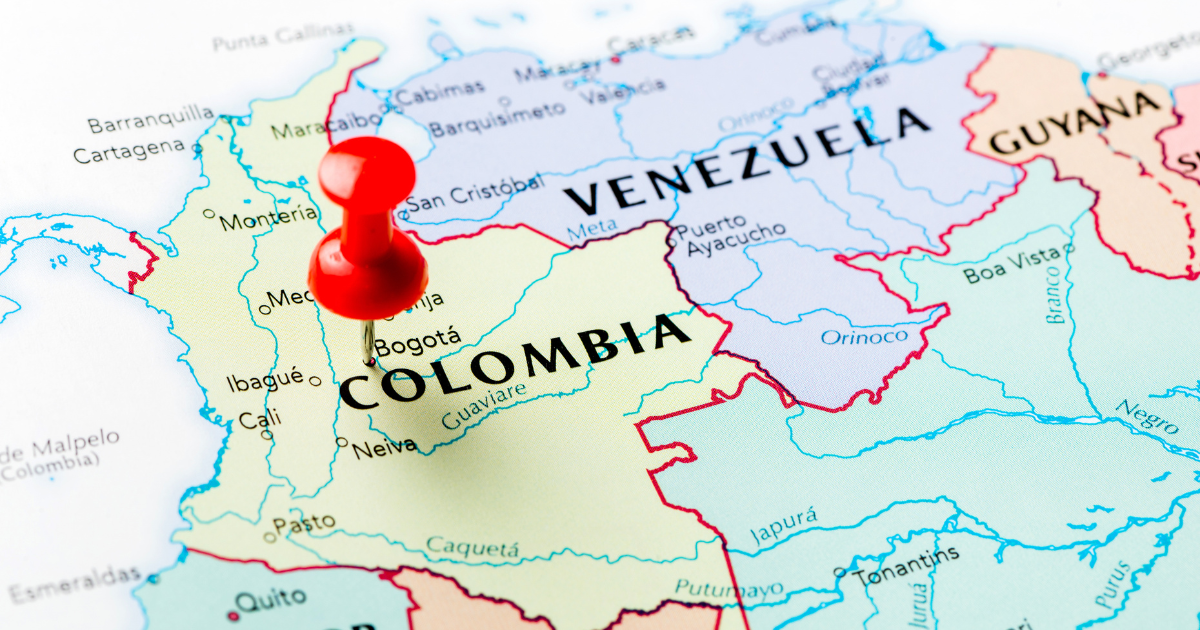
In a major geopolitical shift, Colombian President Gustavo Petro has announced plans to withdraw Colombia from the Andean Community of Nations (CAN). The decision comes as a direct response to a trade dispute with Ecuador and signals a strategic pivot toward becoming a full member of Mercosur.
For the investment migration industry, this move raises critical questions about the future of free movement and settlement rights across South America.
The Breakdown of the Andean Pact
The decision was triggered by Ecuador’s move to increase tariffs on Colombian imports to 100%. President Petro described the situation as “the end of the Andean Pact for Colombia,” ordering the foreign ministry to prioritize full Mercosur integration.
While the CAN (founded in 1969) has historically provided visa-free travel and reciprocal residency through the Andean Immigration Statute, its relevance is now being challenged by regional trade tensions.
Redundancy in Settlement Rights
A key takeaway for global citizens and investors is that Colombia’s exit from CAN does not necessarily mean a loss of regional mobility. South America’s immigration architecture features a unique “double layer”:
- Mercosur Residence Agreement: All current CAN members (Bolivia, Colombia, Ecuador, and Peru) are already signatories to this agreement.
- The Safety Net: Even if Colombia leaves CAN, the Mercosur framework still governs the right of Colombian citizens to obtain residency in nine countries, bao gồm Argentina, Brazil, và Uruguay.
The practical loss would be limited to specific CAN benefits, such as the harmonized Andean passport and ID-card travel between the remaining members (Ecuador, Peru, and Bolivia).
What Full Mercosur Membership Means
Colombia is currently an associate member of Mercosur. Upgrading to full membership would grant the country:
- Voting Rights: A seat in the bloc’s decision-making bodies.
- Trade Constraints: Adherence to Mercosur’s common external tariff, which could impact existing trade deals with the U.S. and EU.
However, the path to full membership is long. It requires ratification from all existing members, a process that historically takes years.
Investment Migration Outlook
For those holding or considering a Colombia Investor Visa, the immediate impact is minimal.
- Affordable Residency: With an investment of approximately US$46,000 in real estate or business, investors can secure residency.
- Path to Citizenship: Citizenship is available after five years (or just one year for Latin American/Caribbean nationals).
- Gateway to Mercosur: Colombian citizenship remains a powerful tool, providing access to the Mercosur Residence Agreement, the world’s largest settlement bloc by area.
The Election Factor
Colombia’s “Mercosur pivot” faces a major hurdle: the upcoming May 31 election. Since President Petro cannot run for re-election, a new administration could easily reverse the application or the CAN withdrawal process.
For investors and professionals in global mobility, the Colombian election will be the ultimate deciding factor in whether this shift becomes a permanent reality or a temporary diplomatic maneuver.
Follow us on social media and website for more insights!