


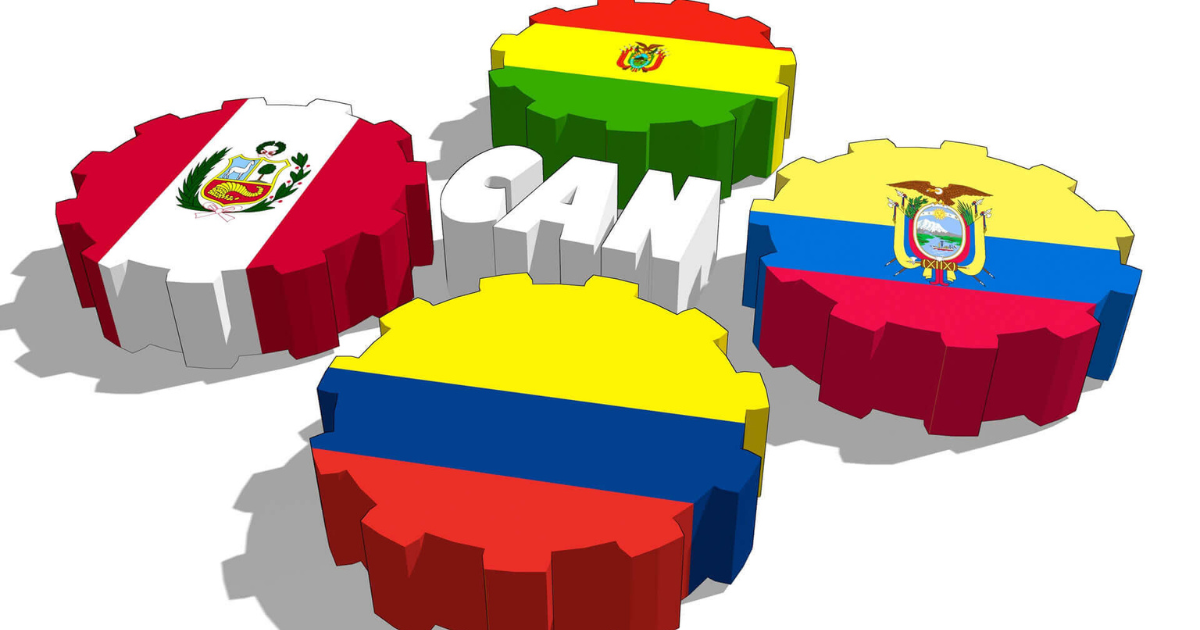
South America is becoming a top destination for global citizens seeking natural beauty, affordable living, and growing economies. However, navigating the immigration laws of different countries can be exhausting. This is where the Andean Community of Nations (CAN) comes in, a powerful regional agreement that simplifies life for millions.
In this guide, The Immigration Magazine breaks down everything you need to know about the Andean Community and how it functions as a “South American Schengen.”
1. What exactly is the Andean Community (CAN)?
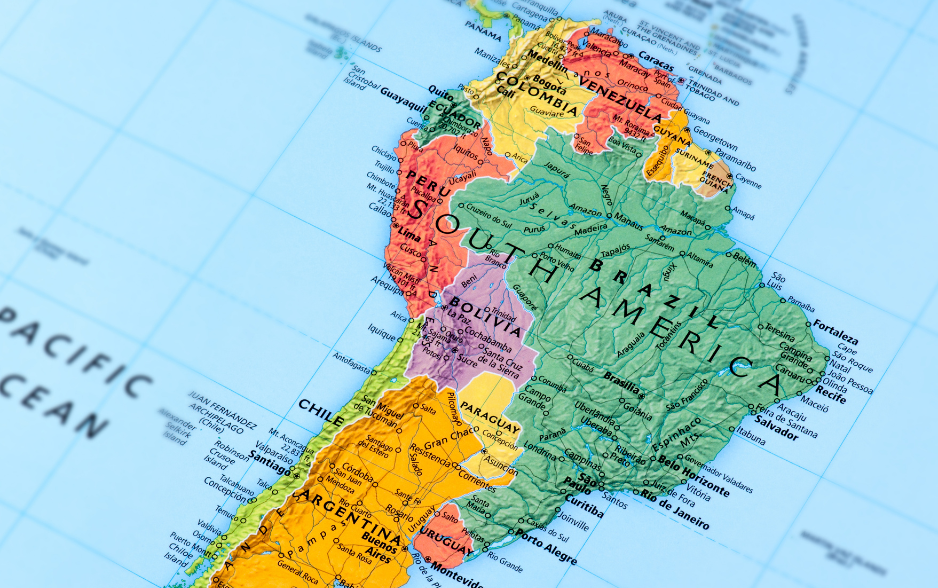
The Andean Community is a trade bloc and political union consisting of four member states: Bolivia, Colombia, Ecuador, and Peru. Founded in 1969 with the Cartagena Agreement, its primary goal was to encourage regional cooperation. For an investor or an expat, the most important part of this union is the Andean Migration Statute.
Unlike standard international treaties that only focus on trade, the CAN focuses on people. It creates a legal framework that allows citizens and legal residents to move, work, and live across these four countries with much less paperwork than a standard visa process. It effectively treats the four nations as a single territory for human mobility, making it a unique laboratory for regional integration in the Americas.
2. The Magic of the Andean Migration Statute
If you are a citizen or a permanent resident of one CAN country, you enjoy two major benefits that are rarely found in other parts of the world. First is the Right to Free Movement. You can travel between Bolivia, Colombia, Ecuador, and Peru using only your national ID card. This eliminates the need for a passport or tourist visa for short stays, making regional business travel or exploration incredibly efficient.
Second, and perhaps most importantly, is the Andean Residency. Members and permanent residents can apply for Temporary Andean Residency, which grants the right to live and work for two years. After this period, you can transition into Permanent Andean Residency. This system is a “hidden gem” for global citizens because if you obtain residency in a “fast” country like Colombia, you effectively open the legal door to three other beautiful and diverse nations.
3. Professional Equality and Labor Rights
A common concern for international investors and remote professionals is the right to conduct business locally. One of the deepest layers of the Andean agreement is the Equal Treatment Clause. This principle ensures that Andean residents have the same labor rights as local citizens. Whether you are looking to hire local talent for your startup in Lima or manage a real estate project in Quito, the legal barriers are significantly lowered.
This professional mobility is supported by the recognition of academic degrees and professional titles across the member states. For an entrepreneur, this means your intellectual and professional credentials carry weight throughout the entire bloc. It creates a larger, more integrated talent pool and consumer market, turning a single-country investment into a regional strategic play.
4. Who can benefit from this?
While the agreement is primarily for citizens of member states, it is a game-changer for International Investors. Many investors use a “Residency by Investment” program in one CAN country, such as Colombia’s property investment visa or Ecuador’s certificate of deposit visa, to gain a foothold.
Once you hold permanent residency in one member state, you may be eligible to leverage the Andean agreements to expand your business or lifestyle into the neighboring countries under simpler terms. It is a “shortcut” to regional influence. Instead of starting a new immigration process from scratch in each country, the CAN framework provides a foundation of trust and legal reciprocity that saves both time and capital.

5. Why choose the Andean region in 2026?
The CAN region is not just about simplified paperwork; it’s about strategic opportunity in a world of shifting economies.
- Colombia offers a vibrant tech scene and high-quality healthcare in cities like Medellin and Bogota, often cited as the top hubs for digital nomads.
- Peru is a global culinary capital with a stable, growing economy and a legal system that is increasingly friendly to foreign direct investment.
- Ecuador is famous for its “pensionado” friendly policies and diverse landscapes, offering a high quality of life with relatively low maintenance costs.
- Bolivia provides some of the lowest costs of living in the region with untapped market potential in natural resources and agriculture.
6. How the CAN differs from Mercosur
People often confuse CAN with Mercosur (the Southern Common Market). While both promote regional movement, Mercosur covers a different geographical area, including Argentina, Brazil, Bolivia, Paraguay, and Uruguay, and has different residency requirements.
While CAN focuses on the “Andean” spine of the continent, Mercosur is the powerhouse of the Atlantic and the South. For most global citizens, having access to the Andean Community is seen as a more “boutique” and adventurous alternative to the traditional paths in Brazil or Argentina. The Andean region often provides a more manageable scale for small to medium-sized investments while offering spectacular geographic diversity.
7. Conclusion: A New Frontier for Global Mobility
The Andean Community of Nations is proving that South America is serious about global integration. For the modern investor, the CAN represents more than just four separate countries; it represents a unified region of opportunity.
As migration laws continue to evolve in 2026, the ability to move freely across the Andes is a powerful asset for any global portfolio. Whether you are looking for a new business base or a scenic retirement home, the Andean Community provides the legal bridge to make your dream a reality. At The Immigration Magazine, we recommend looking beyond the traditional borders and embracing the integrated future of the Andean nations.
Follow us on social media and website for more insights!