

If the Andean Community (CAN) is the gateway to the scenic Andes, then Mercosur is the ticket to the economic heart of South America. For global investors and expats, Mercosur represents more than just a trade bloc, it is one of the most open and powerful residency agreements on the planet.
In this guide, The Immigration Magazine breaks down what Mercosur is and how its residency agreement can transform your global mobility strategy.
1. What is Mercosur? (The Southern Common Market)
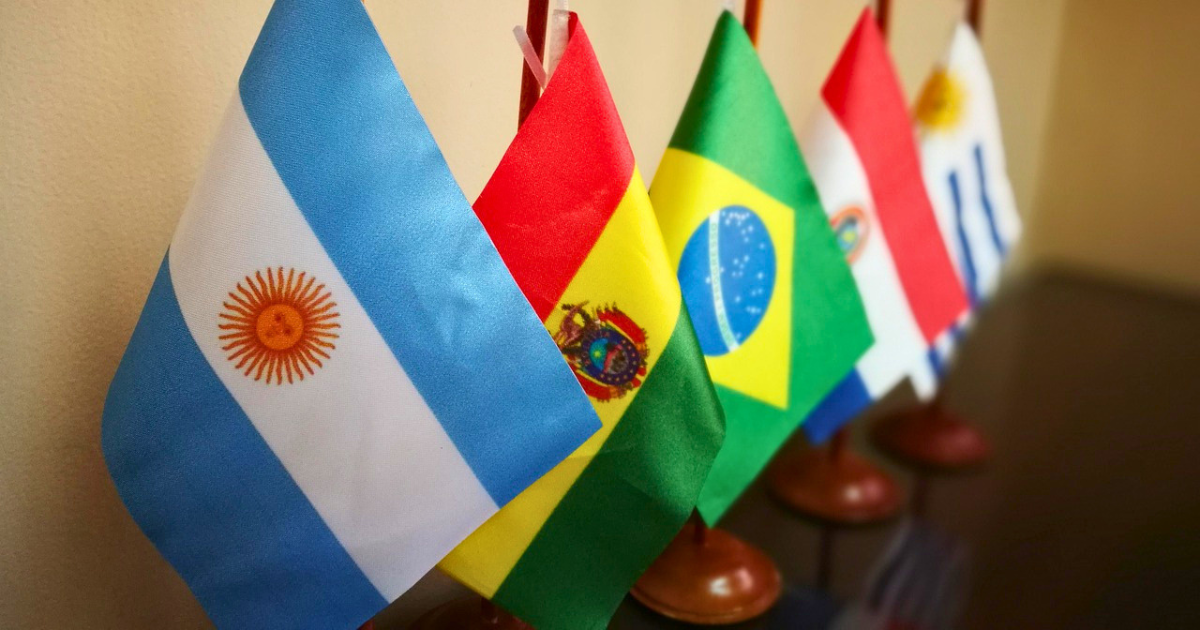
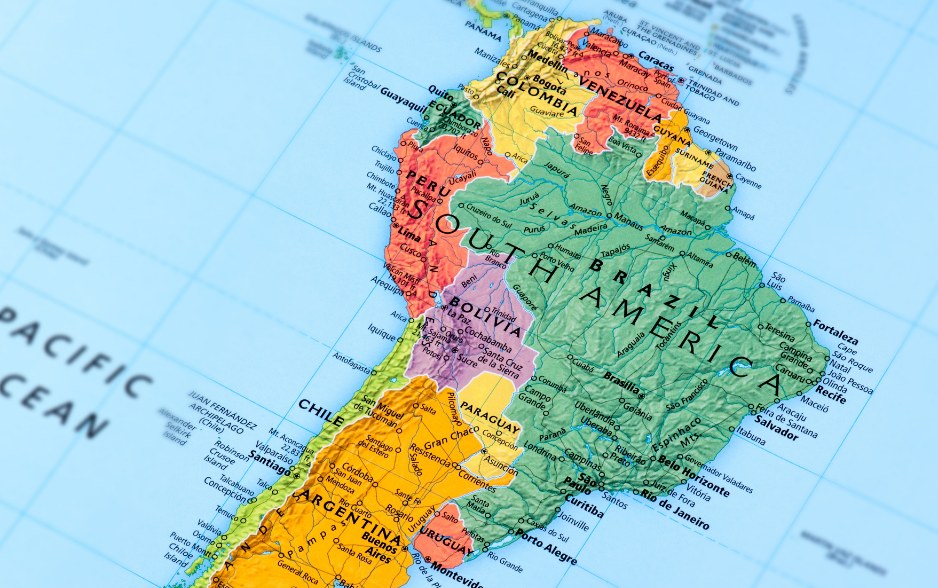
Mercosur, officially known as the Southern Common Market, is a major regional integration project. Established in 1991, its full members include Argentina, Brazil, Paraguay, and Uruguay, Bolivia, alongside associated countries including Peru, Colombia, Ecuador, and Chile.
While it began as a trade alliance (similar to the European Union), it has evolved into something much deeper. For our readers, the most vital aspect is the Mercosur Residency Agreement. This pact allows citizens and legal residents of member and associate states to live and work across the bloc with unprecedented ease.
2. How the Mercosur Residency Agreement Works
The “magic” of Mercosur lies in its simplified path to legal status. Unlike traditional visas that require complex job offers or massive capital investments, the Mercosur agreement is based on the principle of regional nationality and reciprocity.
Under this agreement, a person can apply for temporary residency (usually for two years) in another member state simply by proving their identity and a clean criminal record. In many cases, this temporary status can be converted into Permanent Residency before the two years are up, provided you can show a basic means of financial support. For an investor, this means the typical “red tape” of South American bureaucracy is significantly reduced.
3. The "Big Three": Argentina, Brazil, and Uruguay
Why should an international investor look at the Mercosur bloc in 2026? The answer lies in the diversity of its leaders:
- Brazil: The largest economy in Latin America. Brazil offers a massive domestic market, a world-class manufacturing base, and a lifestyle that ranges from the business pulse of São Paulo to the beaches of Rio de Janeiro.
- Argentina: Despite its economic cycles, Argentina remains a cultural and educational powerhouse. Its capital, Buenos Aires, is often called the “Paris of South America,” offering a sophisticated European lifestyle at a fraction of the cost.
- Uruguay: Known as the “Switzerland of the South,” Uruguay is the region’s beacon of stability. It offers strong legal protections, a high degree of digital connectivity, and a very attractive tax system for foreign residents.
4. Strategic Benefits for Global Investors
For the modern “Plan B” strategist, Mercosur offers benefits that go beyond a simple residency permit.
First is Labor and Business Mobility. Once you hold Mercosur residency, you have the right to work and conduct business under the same conditions as local citizens. This is crucial for entrepreneurs looking to scale a business across the continent.
Second is the Path to Citizenship. Countries like Argentina and Uruguay have some of the fastest naturalization timelines in the world (often 2 to 5 years). By using the Mercosur agreement to maintain legal residency, the dream of a second passport becomes much more attainable and legally straightforward.
5. Mercosur vs. The Andean Community (CAN)
A common question at The Immigration Magazine is: “Which bloc is better?”
The answer depends on your geography and goals. The Andean Community (CAN) is perfect for those drawn to the Pacific coast and the northern Andes (Colombia, Peru). However, Mercosur is for those who want to be in the Atlantic power centers and the southern cone.
While CAN is often seen as more “adventurous,” Mercosur is viewed as the “institutional” choice, offering access to larger markets and more established financial systems. Many savvy investors actually look to hold status in both blocs to achieve “total” South American coverage.
6. Navigating the Challenges
While the agreement is simple in theory, “The Devil is in the details.” Each country has slightly different administrative requirements. For example, while the agreement exists, you still need to provide legalized documents, such as birth certificates and police checks, often translated into Spanish or Portuguese.
Furthermore, you must ensure that your residency in one country does not conflict with your tax obligations in another. This is why professional guidance is essential to ensure that your move into the Mercosur bloc is both legally sound and tax-efficient.
7. Conclusion: The Southern Frontier Awaits
The Mercosur Residency Agreement is a testament to the region’s commitment to integration. It offers a level of freedom that is becoming increasingly rare in a world of tightening borders.
Whether you are an entrepreneur looking for the next big market in Brazil, or a retiree seeking the tranquility of the Uruguayan coast, Mercosur provides the legal foundation you need. In 2026, as global mobility becomes a key asset, the Southern Cone is no longer just a destination, it is a strategic opportunity for those bold enough to take it.
Follow us on social media and website for more insights!