

For global citizens looking toward the Southern Hemisphere, South America offers a unique “Super-Bloc” system of residency. However, as of early 2026, the landscape is shifting. With Colombia recently signaling a move away from the Andean Community (CAN) to prioritize Mercosur, understanding the difference between these two agreements is more critical than ever for your investment and lifestyle planning.
1. What are CAN and Mercosur?
Before comparing them, let’s define these two giants.
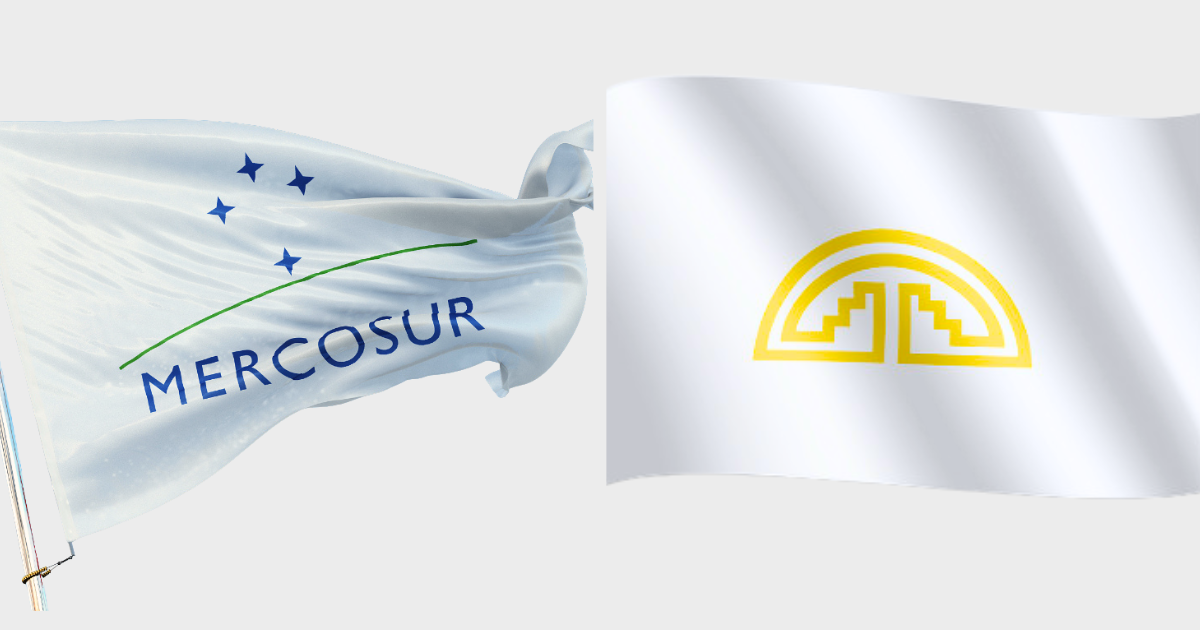
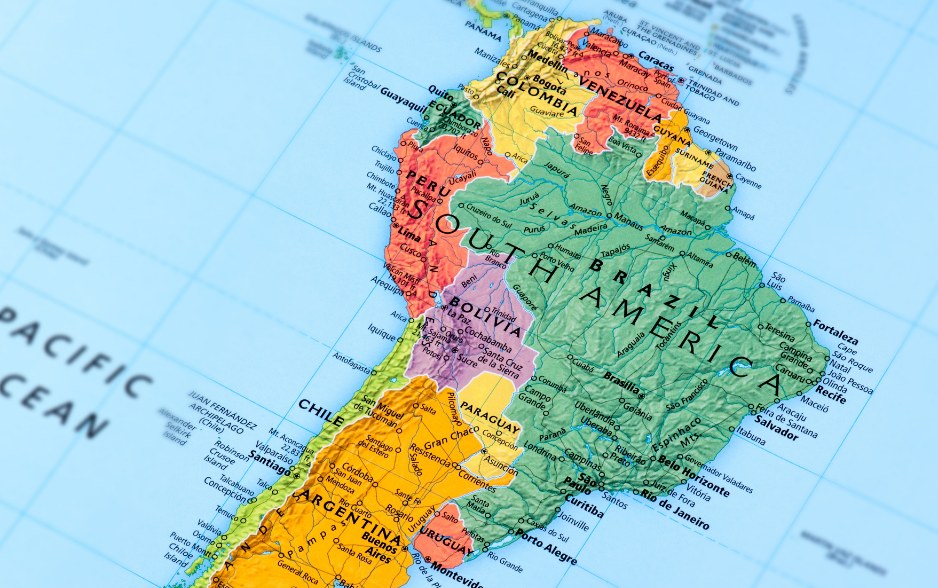
- The Andean Community (CAN): Historically comprised of Bolivia, Colombia, Ecuador, and Peru. It is a union of nations along the Andes mountains, offering deep integration in education, labor rights, and travel.
- Mercosur: The “Southern Common Market,” dominated by Brazil, Argentina, Uruguay, and Paraguay. Bolivia is now a full member, and Colombia is currently in the process of upgrading its status to full membership in 2026.
2. The Core Difference: Geographical Scope vs. Institutional Power
The primary difference lies in the territory and the scale of the opportunity.
- CAN Residency: Is often described as “Boutique and Mountainous.” It is perfect for those who prioritize the Pacific coast and the cultural heart of the Andes. The Andean Migration Statute is highly efficient, allowing residents of one member state to obtain temporary residency in another almost automatically.
- Mercosur Residency: Is the “Continental Heavyweight.” The Mercosur Residency Agreement covers a massive 16.4 million square kilometers. It is arguably the world’s largest settlement bloc by land area. Once you hold citizenship in one Mercosur nation, the entire southern half of the continent becomes your backyard.
3. Path to Citizenship and Naturalization
For many readers of The Immigration Magazine, the ultimate goal is a second passport. This is where the two blocs differ significantly in speed and certainty.
- Mercosur (The Fast Track): Mercosur nations offer some of the fastest citizenship paths globally. Argentina and Uruguay are world-renowned for their 2-to-5-year naturalization timelines. If you use the Mercosur agreement to maintain legal status, you are on a high-speed rail toward a powerful passport.
- CAN (The Steady Path): While Colombia and Peru also offer citizenship (typically after 5 years), the process is often viewed as more bureaucratically demanding. However, the Andean passport itself is highly respected and offers excellent visa-free travel.
4. Mobility and Travel Rights
In 2026, both blocs offer ID-card travel. This means as a resident, you can often cross borders without a passport. However, the Mercosur agreement is more “future-proof.”
Even if a country (like Colombia) exits the Andean Community, its participation in the Mercosur Residency Agreement remains intact. This provides a “double layer” of security for your residency rights. If you hold status under Mercosur, you gain rights in up to 9 nations (including associate members like Chile), whereas CAN only covers the original four.
5. Summary Comparison Table (2026 Data)
Feature | Andean Community (CAN) | Mercosur Residency Agreement |
Primary Members | Bolivia, Ecuador, Peru (Colombia exiting) | Brazil, Argentina, Uruguay, Paraguay, Bolivia |
Settlement Rights | Reside & work in 3-4 nations | Reside & work in up to 9 nations |
Complexity | Simple, ID-based | Very simple, reciprocity-based |
Citizenship Path | Standard (5 years) | Fast-track (2-5 years in some nations) |
Market Potential | Tech & Adventure | G20 Economies & Global Agriculture |
6. The 2026 Shift: Colombia and Bolivia
The most important “insider” update for this year is the Bolivia-Colombia Pivot.
- Bolivia is now the “Master Key” country, holding full membership in both blocs. An investment in Bolivia currently provides the widest legal reach in South America.
- Colombia is moving toward full Mercosur membership to align with Brazil and Argentina. For investors, this means the Mercosur framework is becoming the dominant legal standard for the entire continent.
7. Conclusion: Which fits your strategy?
The difference between CAN and Mercosur residency often comes down to lifestyle vs. legacy.
Choose the Andean Community (CAN) if you are a remote professional or retiree who wants to enjoy the unique culture of the Andes with a lower barrier to entry. However, choose Mercosur if you are an investor looking for the strongest legal foundation, the largest markets, and the fastest possible route to a second nationality.
At The Immigration Magazine, we believe the future of global mobility is regional. Whether you choose the Andes or the Atlantic, South America remains the most welcoming frontier for the modern global citizen.
Follow us on social media and website for more insights!